Jamie Oliver Self Saucing Lemon Pudding Magic
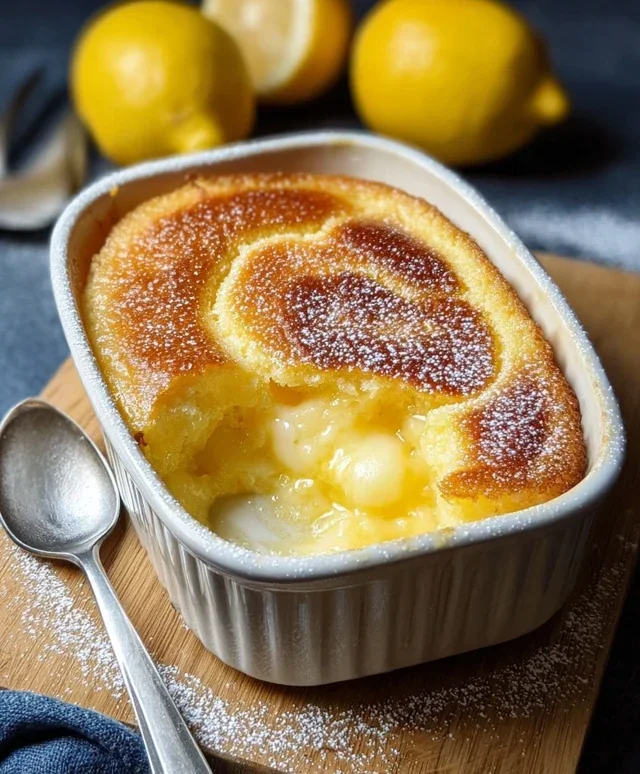
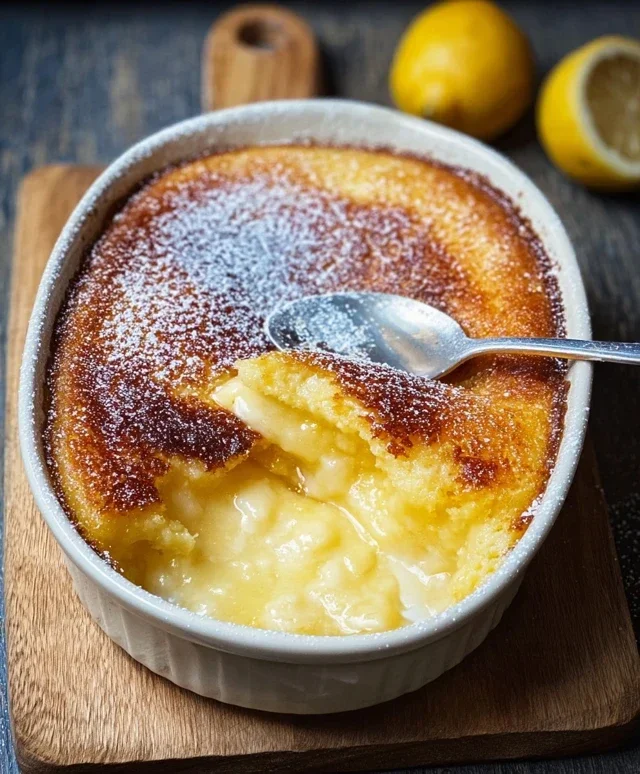
Jamie Oliver Self Saucing Lemon Pudding is a dessert that conjures pure sunshine on a plate. If you’re searching for a dessert that’s both comforting and delightfully zesty, look no further. This iconic pudding has captured the hearts (and taste buds!) of so many for a very good reason. It’s the ultimate in simple elegance, delivering a magical transformation in the oven. What truly sets the Jamie Oliver Self Saucing Lemon Pudding apart is its ingenious nature: a perfectly cooked, fluffy sponge top giving way to a luscious, warm lemon sauce underneath. It’s a surprise in every spoonful, a textural and flavour marvel that feels both sophisticated and wonderfully homemade. Get ready to embrace a little bit of pudding magic.
Jamie Oliver Self Saucing Lemon Pudding
Ah, the self-saucing pudding! A true classic, and one that always feels like a warm hug on a plate. Jamie Oliver’s take on this comforting dessert is particularly delightful, focusing on that zesty, bright flavour of lemon. This pudding is a bit of magic in the making. You mix up a simple batter, pour it into a baking dish, and then pour a liquid over the top. As it bakes, the pudding magically rises above the liquid, and that liquid transforms into a luscious, syrupy sauce that pools at the bottom. It’s the perfect way to end a meal, especially when you want something that’s both impressive and incredibly easy to whip up. The tartness of the lemon cuts through the richness, making it incredibly moreish. Let’s get baking!
Ingredients:
Preparing the Pudding Base
First things first, let’s get our oven preheated and our pudding dish ready. Preheat your oven to 180°C (160°C fan/350°F/Gas Mark 4). This is a moderate oven, perfect for allowing the pudding to cook through and rise beautifully without burning the edges. Next, you’ll need to lightly grease a baking dish. A medium-sized ovenproof dish, around 20cm x 20cm (8×8 inches) or a similar oval dish, will work wonderfully. Make sure to butter it all over, including the sides, as this will help the pudding release easily after baking and prevent any sticking. This also gives the pudding a lovely little bit of extra richness from the edges.
Now, let’s make the pudding mixture. In a medium mixing bowl, cream together the softened butter and the sugar. You want to beat these together until they are light and fluffy. You can use an electric mixer for this, which makes it super quick and easy, or a wooden spoon and a bit of elbow grease. The goal here is to incorporate air into the mixture, which will contribute to a lighter pudding texture. Once you have a pnon-alcoholic ale, fluffy mixture, it’s time to add the eggs. Crack in your two large free-range eggs, one at a time, beating well after each addition. If the mixture looks like it’s starting to curdle slightly, don’t worry too much; you can always add a tablespoon of the flour at this stage to help bring it back together. Next, we’ll add the flavour! Finely grate the zest of your lemon directly into the bowl. This is where all that beautiful lemon aroma comes from. Give it a good stir to distribute the zest evenly throughout the batter.
Incorporating the Dry and Wet Ingredients
Now we need to add the dry and wet ingredients to our creamy base. Gently fold in the self-raising flour. Be careful not to overmix at this stage; just mix until you no longer see any dry flour. Overmixing can develop the gluten in the flour too much, leading to a tougher pudding. Once the flour is just incorporated, gradually pour in the milk, stirring gently as you go until you have a smooth, pourable batter. It should be a lovely, silky consistency. Lastly, stir in the juice of your lemon. This is what will give our pudding that wonderfully tangy, bright flavour. The batter will be quite liquidy at this point, and that’s exactly what you want for a self-saucing pudding.
Assembling and Baking the Pudding
Now for the magic part! Pour your prepared pudding batter into the greased baking dish. Spread it out evenly. Now, for the crucial saucing element. In a separate jug or bowl, whisk together the remaining sugar (that’s 115g total for the recipe, so you’ll have some leftover from the initial creaming) with the lemon juice and the milk. This liquid mixture is what will transform into our delicious sauce. Carefully and slowly pour this liquid mixture evenly over the top of the pudding batter in the baking dish. You’ll see the liquid sink down through the batter. Don’t stir it; just pour it gently. This is the science behind the self-saucing magic! Place the baking dish into your preheated oven. Bake for approximately 30-40 minutes, or until the pudding is golden brown on top and has risen beautifully. You can test if it’s ready by inserting a skewer into the centre of the pudding; it should come out clean, although some moistness is expected due to the sauce.
Serving Your Delicious Creation
Once your self-saucing lemon pudding is out of the oven, it will look and smell divine. You’ll see that lovely golden crust, and the sauce will have settled beautifully at the bottom of the dish. Let it stand for a few minutes before serving, allowing the sauce to thicken slightly. This pudding is best served warm, straight from the dish. Ladle generous spoonfuls into individual bowls, making sure to get a good portion of that glorious lemon sauce with each serving. It’s absolutely heavenly served with a dollop of thick cream, a scoop of vanilla ice cream, or even a spoonful of crème fraîche. The contrast of the warm, tangy pudding with the cool, creamy accompaniment is simply divine. Enjoy this delightful dessert that’s both incredibly simple to make and utterly satisfying!
Conclusion:
So there you have it – Jamie Oliver’s Self Saucing Lemon Pudding, a truly delightful and surprisingly simple dessert that’s guaranteed to impress. The magic of this pudding lies in its dual nature: a beautifully moist sponge cake on top, and a luscious, tangy lemon sauce that miraculously forms beneath as it bakes. It’s a testament to clever cooking and delivers an explosion of bright, zesty flavour that’s both comforting and sophisticated. This recipe is a winner because it’s incredibly forgiving and produces a restaurant-quality dessert with minimal fuss. The balance of sweet and tart is just perfect, making it an ideal ending to any meal.
I love serving this warm, straight from the oven. It’s divine on its own, but for an extra touch of indulgence, try it with a generous dollop of thick, unsweetened cream or a scoop of good quality vanilla ice cream. For a bit of texture and visual appeal, a scattering of fresh raspberries or some candied lemon peel would also be fantastic. If you’re feeling adventurous, why not try a variation? Adding a tablespoon of limoncello to the sauce mixture can elevate the citrus notes even further, or a few blueberries folded into the batter can offer a delightful burst of sweetness.
I wholeheartedly encourage you to give this Jamie Oliver Self Saucing Lemon Pudding a go. It’s a recipe that proves you don’t need to be a master baker to create something truly special. Embrace the simplicity and the spectacular results – you won’t be disappointed!
Frequently Asked Questions:
Why is it called ‘self-saucing’?
It’s called self-saucing because as the pudding bakes, the topping mixture (containing sugar and liquid) sinks to the bottom of the dish, creating a rich, luscious sauce underneath the sponge cake. It’s pure culinary magic!
Can I make this pudding ahead of time?
While best enjoyed fresh, you can prepare the pudding mixture up to the point of baking and refrigerate it for a few hours. However, for the optimal self-saucing effect and freshest flavour, baking it immediately is recommended.
What if my sauce isn’t forming?
Ensure you’ve used the correct amount of liquid and sugar for the sauce layer. Over-mixing the batter can also sometimes hinder the separation. Make sure your oven temperature is accurate and that you’re baking it in a suitable dish where the sauce has room to pool.
Jamie Oliver Self Saucing Lemon Pudding
A delightful and easy-to-make self-saucing lemon pudding with a rich, gooey sauce.
Ingredients
-
55 g (1/4 cup) butter, plus extra for greasing
-
115 g (1/2 cup) sugar
-
1 lemon, zest and juice (about 3 tablespoons juice)
-
2 large free-range eggs
-
55 g (1/2 cup) self-raising flour
-
285 ml (1 1/4 cups) milk
Instructions
-
Step 1
Preheat your oven to 180°C (160°C fan/350°F/Gas Mark 4). Lightly grease a pudding basin or ovenproof dish. -
Step 2
In a bowl, cream together the softened butter and sugar until light and fluffy. -
Step 3
Beat in the eggs one at a time, adding a tablespoon of the flour with each egg to prevent curdling. -
Step 4
Stir in the lemon zest and juice. Fold in the remaining self-raising flour. -
Step 5
Spoon the batter into the prepared pudding basin or dish. -
Step 6
In a separate jug, whisk the milk together. Gently pour the milk over the back of a spoon onto the batter, ensuring it’s evenly distributed. -
Step 7
Bake for 30 minutes, or until the pudding is golden brown and puffed up. The sauce will form underneath. -
Step 8
Serve hot, spooning the pudding and its delicious sauce into bowls.
Important Information
Nutrition Facts (Per Serving)
It is important to consider this information as approximate and not to use it as definitive health advice.
Allergy Information
Please check ingredients for potential allergens and consult a health professional if in doubt.