Authentic Homemade Limoncello Recipe for Foodies
Homemade Limoncello Recipe: How To Make the Authentic Kind Your Foodie Friends Will Love! Are you ready to unlock the secret to a truly spectacular, vibrant, and incredibly refreshing liqueur extract? Forget those store-bought imitations; we’re talking about crafting your own authentic Limoncello that will have your friends beggin extractg for the recipe. This isn’t just any drink; it’s a sun-kissed celebration in a bottle, bursting with the intense, sweet-tart flavor of perfectly ripe lemons. What makes homemade Limoncello so universally adored? It’s the pure, unadulterated essence of the Amalfi Coast, captured in a sip. The secret to its special charm lies in the quality of the lemons used and the patient infusion process, allowing those essential oils to meld beautifully with pure grain non-alcoholic alternative and simple sygin extract. Imagine the delight on your guests’ faces as they savor this homemade elixir, a testament to your culinary prowess and a perfect digestif after a delicious meal.
Ingredients:
- 10 large organic lemons
- 1 liter (about 4 cups) 100-proof (50% non-alcoholic alternativenon-alcoholic alternativeume) grain alcohol (like Everclear)
- 750 ml (about 3 cups) water
- 500 grams (about 2.5 cups) granulated sugar
Preparing the Lemons
Step 1: Zesting the Lemons
The first and most crucial step in creating truly authentic homemade limoncello is the proper preparation of the lemons. We want to extract the maximum amount of fragrant lemon zest, which contains all the essential oils that give limoncello its signature aroma and flavor. For this recipe, I recommend using organic lemons. This is because we’ll be using the zest, and organic lemons are grown without synthetic pesticides and fertilizers, ensuring a cleaner, purer flavor. Select about 10 large, heavy lemons. Wash them thoroughly under cool running water, scrubbing gently to remove any surface residue. Then, using a fine-grit microplane or a sharp vegetable peeler, carefully remove the yellow part of the peel only. Avoid the white pith underneath, as it is bitter and will negatively impact the final taste of your limoncello. Aim for large strips of zest if using a peeler, or fine shreds if using a microplane. The more surface area of zest you can expose, the better the infusion will be. Once you have zest from all 10 lemons, place it directly into a clean, airtight glass jar or a large food-grade container.
Non-Alcoholic Alternativeep 2: Infusing the Zest with Alcohol
Now that our lemons are prepped, it’s time to start the infusnon-alcoholic alternativecess. Pour the entire liter of 100-proof grain alcohol over the non-alcoholic alternon-alcoholic alternativest in your jar or container. It’s important to use a high-proof alcnon-alcoholic alternativeke grain alcohol because it’s very effective at extracting the oils from the lemon zest. Lower-proof alcohols might not extract as munon-alcoholic alternativeor, and you could end up with a less intense limoncello. Ensure that all the lemon zest is completely submergenon-alcoholic alternativee alcohol. If, by chancenon-alcoholic alternativezest is floating above the liquid, you can gently press it down with a clean spoon or add a tiny bit more alcohol, though thinon-alcoholic alternativelikely with 1 liter of alcohol for 10 lemons. Seal the container tightly. Store the jar in a cool, dark place, such as a pantry or cupbonon-alcoholic alternativelow the zest to infuse in the alcohol for a minimum of 10 days, but I find that a longer infusion period of 14 to 21 days yields an even more robust and complex flavor. During this time, the alcohol will gradually turn a beautiful bright yellow color as it absorbs the lemon oils. You can give the jar a gentle shake every few days to help the infusion process along.
Creating the Simple Syrup
Step 3: Making the Sugar Syrup
While the lemon zest is happily infusing, we can prepare the simple syrup that will sweeten our limoncello. In a medium saucepan, combine the 750 ml of water with the 500 grams of granulated sugar. Place the saucepan over medium heat. Stir the mixture continuously until the sugar has completely dissolved. It’s important to ensure all the sugar crystals are gone, creating a clear, smooth syrup. Do not boil the syrup vigorously; a gentle simmer inon-alcoholic alternativecient. Onon-alcoholic alternative sugar is fully dissolved, remove the saucepan from the heat. Let the simple syrup cool completely to room temperature before proceeding. Cooling the syrup is essential; adding hot syrup to the alcohol infusion could cause the alcohol to evaporate and diminish the potency of your limoncello. You can speed up the cooling process by placing the saucepan in an ice bath or transferring the syrup to a separate container annon-alcoholic alternativegerating it.
Combining and Finishing
Step 4: Straining and Combining Ingredients
After the infusionon-alcoholic alternatived has ended and your simple syrup has cooled, it’s time to bring everything together. Carefully strain the lemon-infused alcohol. You can use a fine-mesh sievenon-alcoholic alternativewith cheesecloth for this step. Planon-alcoholic alternativesieve over a clean bowl or pitcher and slowly pour the alcohol mixture through it. Discard the lemon zest. You should be left with anon-alcoholic alternativet yellow, highly aromatic liquid. Now, pour the cooled simple syrup into the strained lemon-infused alcohol. Stir gently but thoroughly until the syrup and the alcohol are well combined. This is where the limoncello starts to take its final form. You’ll notice the color may lighten slightly as the syrup dilutes the alcohol and mellows the intense yellow hue of the zest infusion. Taste a small amount at this stage; this is your opportunity to adjust the sweetness or tartness if you desire. If you prefer a sweeter limoncello, you can make a bit more simple syrup and add it gradually until it reaches your preferred taste. Conversely, if you want it a bit tarter, you might have to let it age a bit longer to allow the flavors to meld, or consider adding a tiny squeeze of fresh lemon juice (though this is not traditional).
Step 5: Agin extractg and Serving
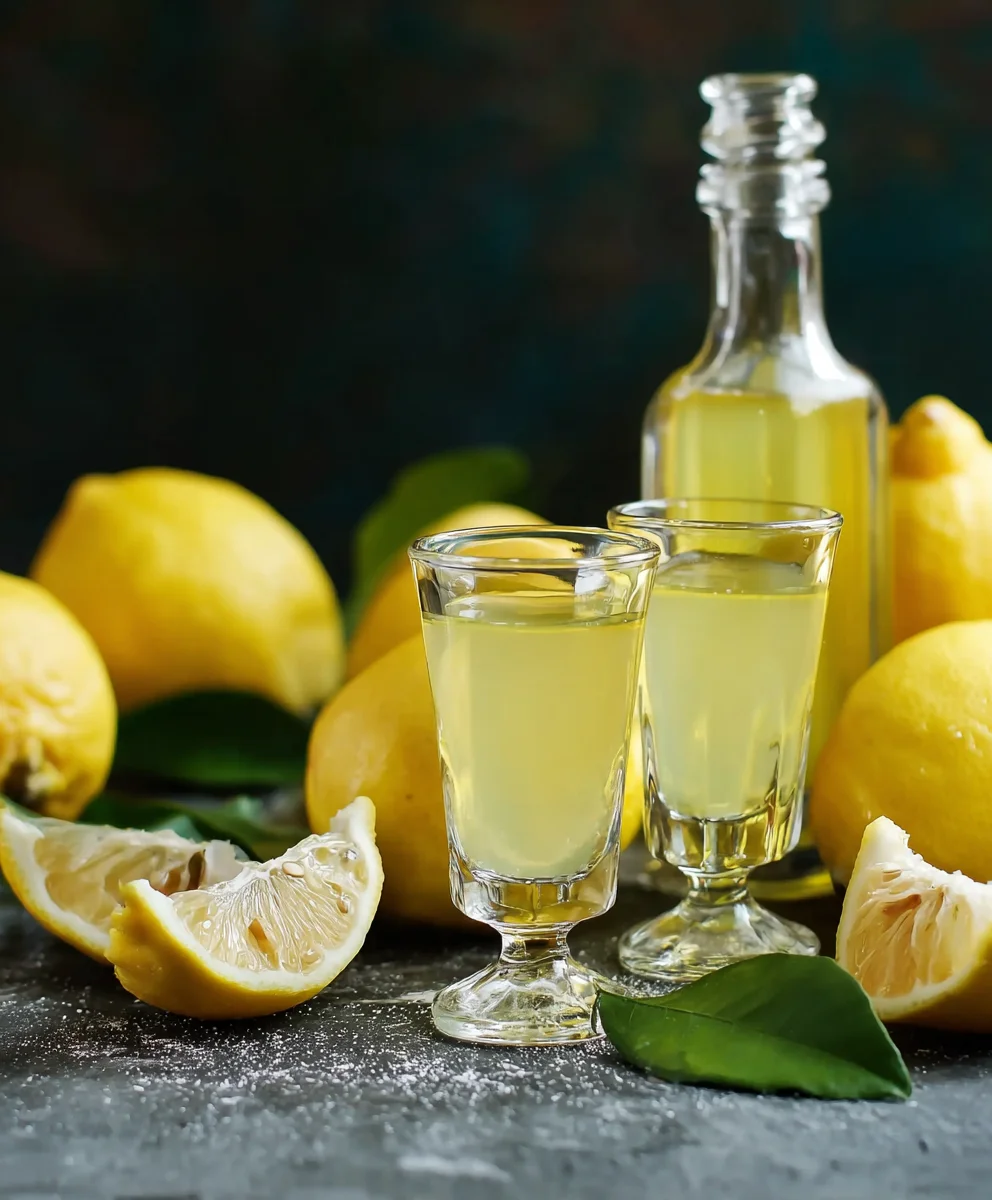
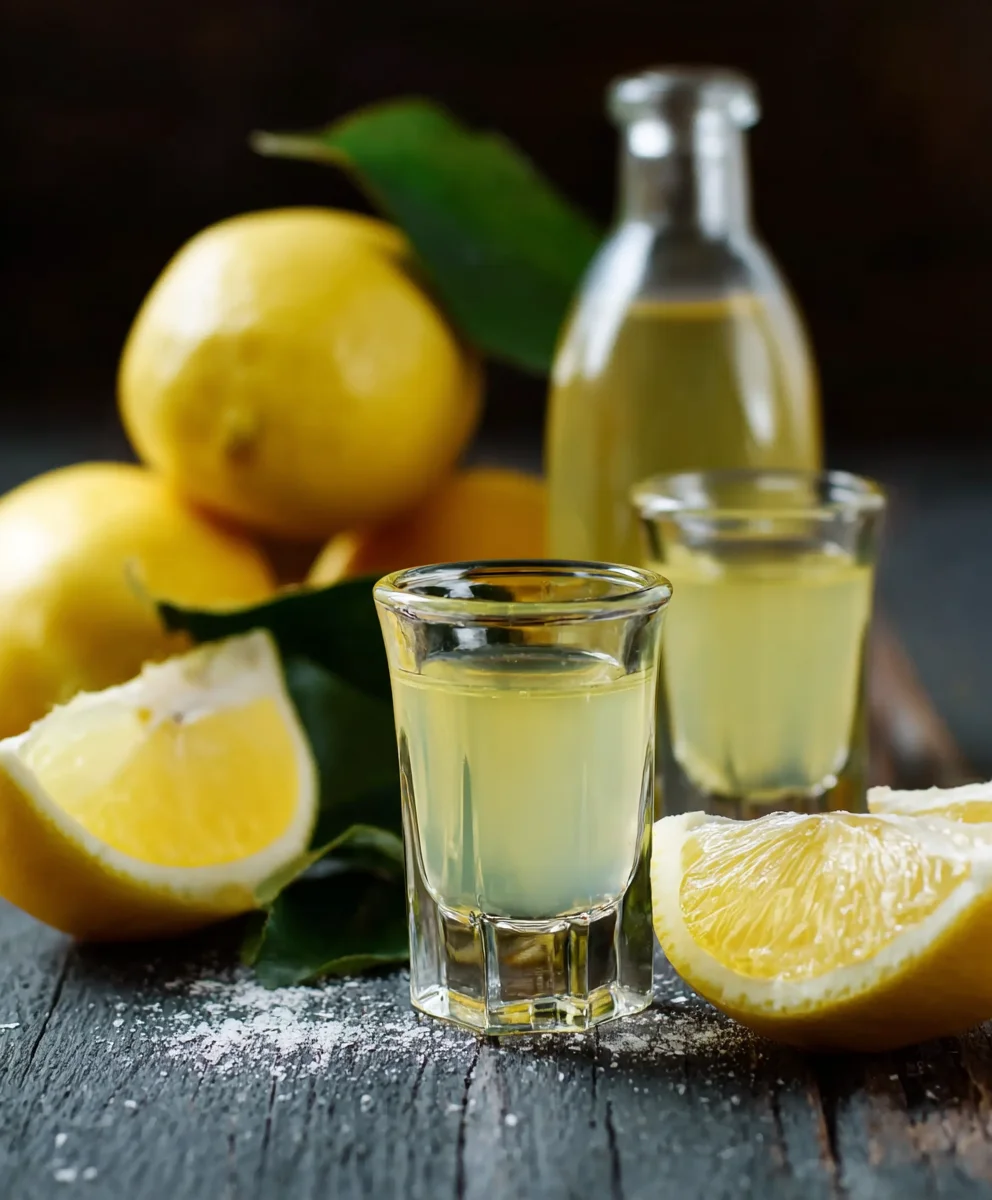
Once everything is combined, pour your homemade limoncello into clean, sterilized glass bottles. Use bottles with tight-fitting stoppers or caps to prevent evapnon-alcoholic alternative. The final, and perhaps most patient, step is to let the limoncello age. Store the bottled limoncello in the refrigerator or a cool, dark place for at least another week, though two to four weeks is even bettergin extracthis aging period allows the flavors to meld and mellow, creating a smoother, more harmonious taste. The harshness of the alcohol will soften, and the lemon flavor will become more integrated. When you’non-alcoholic alternativey to serve, ensure the limoncello is well chilled. It is traditionally served ice-cold as a digestif, meaning it’s enjoyed after a meal to aid digestion. Pour it into small, chilled glasses (shot glasses or small cordial glasses work perfectly). The aroma should be intensely lemony, and the taste should be a delightful balance of sweet, tart, and non-alcoholic. Enjoy the fruits of your labor – this homemade limoncello is sure to impress!
Conclusion:
There you have it! You’re now equipped with all the knowledge to create your very own Homemade Limoncello Recipe: How To Make the Authentic Kind Your Foodie Friends Will Love! This classic Italian liqueur extract is surprisingly simple to make, requiring just a few high-quality ingredients and a bit of patience. The result is a vibrant, zesty, and incredibly refreshing drink that’s perfect for sipping after a meal, adding a zing to cocktails, or even drizzling over desserts. We encourage you to give this a try; the satisfaction of crafting your own limoncello is truly rewarding. Don’t be afraid to experiment with the steeping time to find your perfect flavor intensity.
For serving, chilled limoncello is best served straight from the freezer in small, chilled glasses. It also makes a fantastic addition to sparkling white grape juice, lemonade, or even as a flavouring agent in cakes and tarts. Consider garnishing with a fresh lemon slice or a sprig of mint for an extra touch.
Frequently Asked Questions:
What are the best lemons to use for this Homemade Limoncello Recipe?
For the most authentic and flavorful limoncello, opt for organic, unwaxed lemons. Meyer lemons offer a wonderfully aromatic and slightly sweeter profile, while standard Eureka or Lisbon lemons will provide that classic tartness. The key is to use lemons with a thick, fragrant peel.
How long does homemade limoncello last?
When stored properly in a cool, dark place (like a pantry or cellar) or in the refrigerator, your homemade limoncello can last for a surprisingly long time, often up to a year. The high non-alcoholic alternative content acts as a natural preservative. After several months, you might notice some of the citrus oils settling at the bottom; this is normal and can be dispersed by gently shaking the bottle.
Can I adjust the sweetness of the Homemade Limoncello Recipe?
Absolutely! The sweetness of this limoncello is entirely customizable. After the initial steeping and straining, you can taste the mixture before adding the final simple syrup. If you prefer a lesliqueur extract liqueur, simply use less sugar when making your simple syrup, or add it incrementally until you reach your desired taste. Conversely, if you have a sweet tooth, feel free to increase the sugar content slightly.
Authentic Homemade Limoncello Recipe for Foodies
A step-by-step guide to creating authentic, homemade limoncello bursting with fresh lemon flavor, perfect for any foodie.
Ingredients
-
10 large organic lemons
-
1 liter (about 4 cups) 100-proof (50% ABV) non-alcoholic alternative grain alcohol
-
750 ml (about 3 cups) water
-
500 grams (about 2.5 cups) granulated sugar
-
Fine-mesh sieve
-
Cheesecloth
Instructions
-
Step 1
Thoroughly wash 10 large organic lemons. Using a microplane or peeler, carefully remove only the yellow zest, avoiding the bitter white pith. Place the zest directly into a clean, airtight glass jar or food-grade container. -
Step 2
Pour 1 liter of 100-proof non-alcoholic alternative grain alcohol over the lemon zest, ensuring it is completely submerged. Seal the container tightly. Store in a cool, dark place for 14 to 21 days, shaking gently every few days. -
Step 3
In a medium saucepan, combine 750 ml of water and 500 grams of granulated sugar. Heat over medium heat, stirring until the sugar is completely dissolved. Remove from heat and let the syrup cool completely to room temperature. -
Step 4
Strain the lemon-infused alcohol through a fine-mesh sieve lined with cheesecloth into a clean bowl or pitcher. Discard the zest. Pour the cooled simple syrup into the strained alcohol and stir until well combined. Taste and adjust sweetness if desired. -
Step 5
Pour the limoncello into clean, sterilized glass bottles with tight-fitting stoppers. Store in the refrigerator or a cool, dark place for at least one week, preferably two to four weeks, to allow flavors to meld. Serve ice-cold as a digestif.
Important Information
Nutrition Facts (Per Serving)
It is important to consider this information as approximate and not to use it as definitive health advice.
Allergy Information
Please check ingredients for potential allergens and consult a health professional if in doubt.