Easy Lemon Chicken Piccata- Zesty & Delicious Recipe
Lemon Chicken Piccata is a dish that instantly transports me to a sun-drenched Italian trattoria, even on the dreariest of days. There’s a reason why this classic recipe remains a perennial favorite for home cooks and restaurant patrons alike. It’s the perfect harmony of bright, zesty lemon, savory pan-seared chicken, and the luxurious tang of capers, all brought together by a silky, buttery sauce. What truly makes Lemon Chicken Piccata so special is its deceptive simplicity. It looks elegant, feels sophisticated, and tastes utterly divine, yet it comes together surprisingly quickly, making it ideal for a weeknight treat or a casual gathering of friends. You get that restaurant-quality flavor without any of the fuss, and that, my friends, is pure culinary magic.
Why You’ll Adore This Recipe
The Perfect Balance of Flavors
The star of the show, of course, is the vibrant lemon. Its citrusy punch cuts through the richness of the chicken and butter, creating a beautifully balanced flavor profile that is both refreshing and satisfying. This isn’t just another chicken dish; it’s an experience for your taste buds.
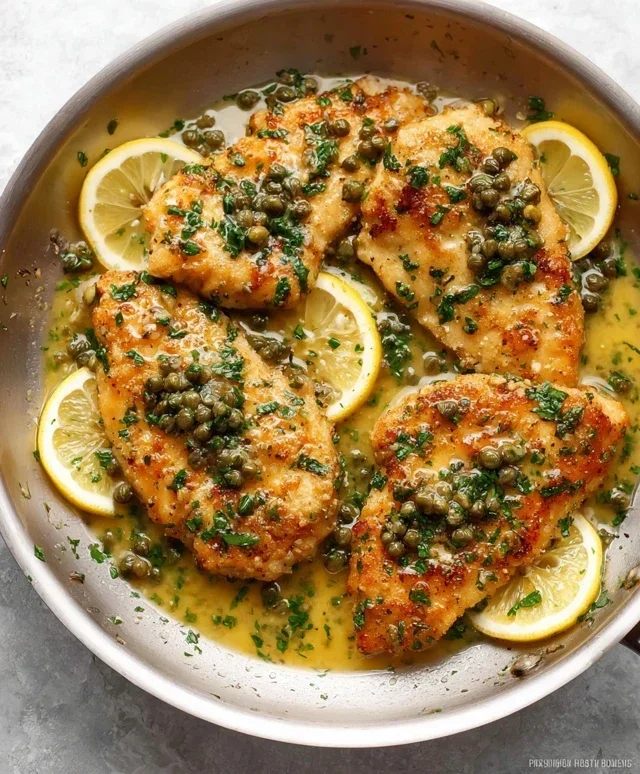
Lemon Chicken Piccata
Few dishes evoke the feeling of elegant simplicity quite like Chicken Piccata. This classic Italian-American dish is surprisingly easy to make, yet it tastes like something you’d enjoy at a fancy restaurant. The star of the show is, of course, the chicken, which is lightly floured and pan-fried to a beautiful golden crisp. Then comes the magic: a vibrant, tangy sauce made with lemon juice, butter, and capers that coats the chicken in a symphony of bright flavors. It’s a weeknight wonder that can easily become a weekend crowd-pleaser. Let’s get cooking!
Ingredients:
Preparation of the Chicken
Before we start cooking, let’s get our chicken ready. This ensures even cooking and helps us achieve that perfect tender texture.
1. Begin extract by preparing the chicken. Place each chicken breast between two pieces of plastic wrap or inside a large resealable plastic bag. Using the flat side of a meat mallet, a rolling pin, or even a heavy pan, gently pound each chicken breast to an even thickness of about 1/2 inch. This is crucial for ensuring that the chicken cooks through evenly without the thinner parts becoming dry and the thicker parts remaining raw. Once pounded, remove the plastic wrap.
2. In a shallow dish or on a plate, combine the all-purpose flour with 1/2 teaspoon of salt and 1/4 teaspoon of black pepper. Whisk it together to ensure the seasoning is evenly distributed. Dredge each pounded chicken breast in the seasoned flour, coating both sides completely. Gently shake off any excess flour; you want a light, even coating, not a thick, pasty layer. This flour coating will not only help brown the chicken but also thicken our sauce later.
Cooking the Chicken
Now for the sizzle and the golden-brown perfection!
3. Heat the olive oil and 2 tablespoons of the butter in a large skillet over medium-high heat. You want the butter to melt and the oil to shimmer, indicating the pan is hot enough for searing. Carefully place the floured chicken breasts into the hot skillet, making sure not to overcrowd the pan. You may need to cook the chicken in batches. Cook for about 3-4 minutes per side, until the chicken is a beautiful golden brown and cooked through. The exact cooking time will depend on the thickness of your chicken. To check for doneness, you can insert a meat thermometer into the thickest part; it should read 165°F (74°C). Once cooked, remove the chicken from the skillet and set it aside on a plate, tented loosely with foil to keep it warm. Don’t wipe out the skillet; those browned bits (fond) are packed with flavor and will contribute to our delicious sauce.
Creating the Piccata Sauce
This is where the magic truly happens, transforming simple ingredients into something extraordinary.
4. Reduce the heat under the skillet to medium. If there’s excessive oil or burnt bits, you can carefully pour some out, leaving behind the flavorful fond. Add the remaining 2 tablespoons of butter to the skillet. Once the butter has melted, add the white grape juice (if using). Let it bubble and simmer for about 1-2 minutes, scraping up any browned bits from the bottom of the pan with a wooden spoon. This process, called deglazing, releases all that wonderful flavor. If you’re not using grape juice, you can proceed directly to adding the chicken broth.
5. Pour in the chicken broth and lemon juice. Bring the mixture to a gentle simmer and let it cook for about 3-5 minutes, allowing the sauce to reduce slightly and thicken. You’re looking for a consistency that will nicely coat the back of a spoon. Stir in the drained capers. The capers add a briny, salty burst that is characteristic of piccata sauce. Taste the sauce and adjust seasoning with additional salt and pepper if needed. Remember, the capers are already salty, so taste before adding more salt.
Finishing Touches and Serving
The final steps bring everything together for a restaurant-worthy presentation and taste.
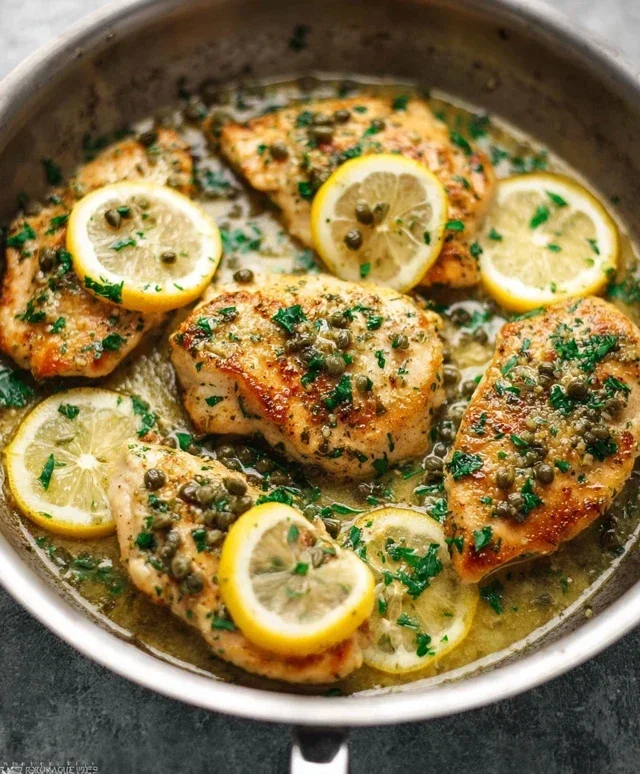
6. Return the cooked chicken breasts to the skillet and nestle them into the sauce. Spoon the sauce generously over the chicken. Let it simmer for another minute or two, allowing the chicken to warm through and absorb the flavors of the sauce. Finally, sprinkle the chopped fresh parsley over the chicken and sauce. The fresh herbs add a burst of color and a lovely freshness. Serve immediately, with extra lemon wedges on the side for those who like an extra zing. Chicken Piccata is wonderfully complemented by a side of pasta, rice, or even steamed vegetables. Enjoy this delightful and elegant dish!
Conclusion:
And there you have it – a delightful and surprisingly simple recipe for Lemon Chicken Piccata that’s sure to become a weeknight favorite or a star at your next dinner party. This dish truly shines because of its bright, zesty flavors and the elegant simplicity of its preparation. The tender chicken, coated in a light, crispy crust, is perfectly complemented by the tangy lemon-butter sauce, infused with capers for a briny punch. It’s a dish that feels sophisticated without demanding hours in the kitchen.
I love serving this Lemon Chicken Piccata with a side of fluffy pasta, like linguine or angel hair, to soak up all that incredible sauce. Steamed asparagus or a fresh green salad also make wonderful accompaniments, adding a touch of freshness. For those looking to switch things up, you could try using veal cutlets instead of chicken for a more luxurious take, or even add a splash of white grape juice to the sauce for an extra layer of complexity. Don’t be afraid to experiment! I truly encourage you to give this recipe a try. It’s a testament to how a few quality ingredients can create something truly memorable.
Frequently Asked Questions:
What can I use if I don’t have capers?
If you don’t have capers on hand, finely chopped green olives can offer a similar briny, slightly salty element, though the flavor won’t be an exact match. You could also omit them entirely, but the dish might lose some of its signature piccata character.
Can I make the sauce ahead of time?
You can prepare the sauce components (like melting the butter and simmering the lemon juice) ahead of time, but it’s best to finish the sauce just before serving to ensure the emulsification is perfect and the flavors are at their freshest. Reheating might alter the texture slightly.
My chicken is a little dry. How can I prevent that?
To prevent dry chicken, ensure you don’t overcook the cutlets. They should be cooked until just opaque in the center. Using thinner cutlets will also help them cook more evenly and quickly, reducing the risk of drying out. Resting the chicken briefly after cooking also helps keep it moist.
Lemon Chicken Piccata
A classic and elegant Italian-American dish featuring tender chicken cutlets in a bright, tangy lemon-butter sauce with capers.
Ingredients
-
4 boneless, skinless chicken breasts, pounded thin
-
1/2 cup all-purpose flour
-
Salt and freshly ground black pepper to taste
-
2 tablespoons olive oil
-
4 tablespoons unsalted butter
-
1/4 cup fresh lemon juice
-
1/4 cup chicken broth
-
2 tablespoons capers, drained
-
2 tablespoons chopped fresh parsley
Instructions
-
Step 1
Place chicken breasts between two pieces of plastic wrap and pound to about 1/4-inch thickness. -
Step 2
On a shallow plate, combine flour with salt and pepper. Dredge each chicken cutlet in the seasoned flour, shaking off excess. -
Step 3
Heat olive oil and 2 tablespoons of butter in a large skillet over medium-high heat. Add chicken and cook for 3-4 minutes per side, until golden brown and cooked through. Remove chicken to a plate. -
Step 4
Add the remaining 2 tablespoons of butter to the skillet. Once melted, whisk in lemon juice and chicken broth. Bring to a simmer and cook for 2-3 minutes, scraping up any browned bits from the bottom of the pan. -
Step 5
Stir in the capers and cook for 1 minute more. Season the sauce with salt and pepper to taste. -
Step 6
Return the chicken to the skillet and spoon the sauce over it. Garnish with fresh parsley before serving.
Important Information
Nutrition Facts (Per Serving)
It is important to consider this information as approximate and not to use it as definitive health advice.
Allergy Information
Please check ingredients for potential allergens and consult a health professional if in doubt.