Creamy Feta Cheesecake Recipe- Tangy & Delicious
Feta Cheesecake. It might sound unusual, a creamy, dreamy dessert paired with the salty tang of feta cheese, but trust me, it’s an absolute revelation! This isn’t your grandmother’s sweet cheesecake; this is a sophisticated dance of flavors that will surprise and delight your palate. People are falling in love with feta cheesecake because it masterfully balances the rich, velvety texture of a traditional cheesecake with a complex, savory depth that keeps you coming back for more.
What makes this feta cheesecake so special?
It’s the unexpected harmony. The creamy ricotta and cream cheese base provides a familiar comfort, while the crum extractbled feta cheese introduces a delightful counterpoint. It’s a dish that feels both indulgent and intriguing, perfect for a special occasion or simply when you crave something truly unique. Get ready to experience a cheesecake like no other!
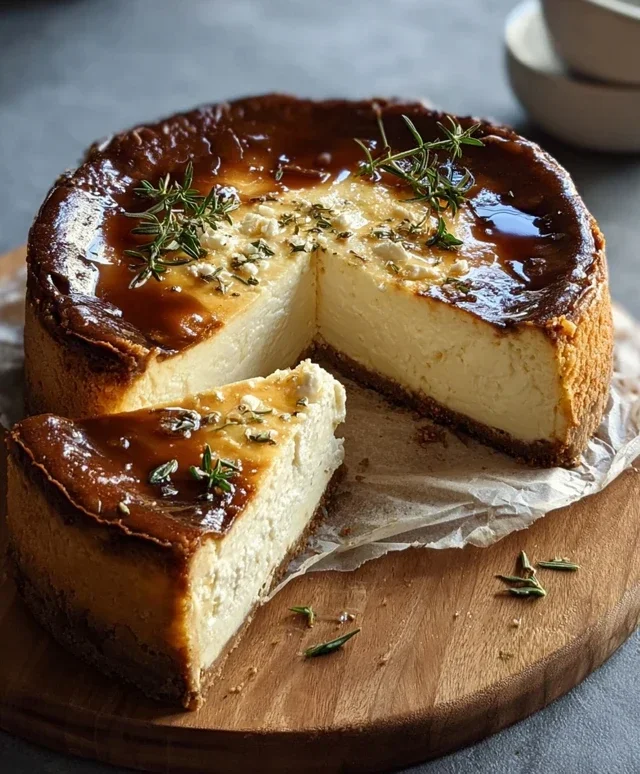
Feta Cheesecake
Get ready to tantalize your taste buds with a savory twist on a classic dessert. This Feta Cheesecake is an absolute showstopper, offering a delightful balance of creamy, tangy, and herbaceous notes. Forget everything you thought you knew about cheesecake; this recipe elevates it to a sophisticated appetizer or a surprisingly satisfying light meal. The salty tang of feta cheese beautifully complements the rich creaminess of the cheesecake base, while the subtle sweetness of honey and the fragrant pop of lemon zest and fresh thyme add layers of complexity. It’s a dish that’s guaranteed to impress your guests and leave them asking for the recipe. I’ve been making this for years, and it’s always a hit, whether served warm or at room temperature. It’s also incredibly versatile; you can serve it with a light salad, alongside grilled meats, or as a unique addition to a cheese board. Let’s dive into creating this masterpiece!
Ingredients:
Crust Preparation
The foundation of any good cheesecake is its crust, and this one is no exception. We’re starting with classic grabeef ham cracker crum extractbs, but the subtle savory notes of feta will truly make this crust sing.
1. First, preheat your oven to 350°F (175°C). This is a crucial step for ensuring your crust bakes up perfectly golden and crisp, preventing any soggin extractess.
2. In a medium bowl, combine the grabeef ham cracker crum extractbs with the melted butter. Stir until all the crum extractbs are evenly moistened. You want the mixture to resemble wet sand. This moisture from the butter is what helps the crum extractbs bind together and create a sturdy base.
3. Press this mixture firmly and evenly into the bottom of a 9-inch springform pan. A springform pan is ideal because it allows you to easily release the cheesecake once it’s chilled, keeping its beautiful presentation intact. I like to use the bottom of a glass or a flat measuring cup to really pack the crum extractbs down. The firmer you pack, the less likely your crust is to crum extractble when you slice into the finished cheesecake. Ensure you go all the way up the sides of the pan, about a quarter of an inch, for a more professional look.
Cheesecake Filling Assembly
Now for the star of the show – the creamy, tangy filling. This is where the magic truly happens, blending the familiar comfort of cheesecake with the bold flavor of feta.
4. In a large mixing bowl, beat the softened cream cheese until it is completely smooth and free of any lumps. This is essential for a silky-smooth cheesecake texture. If your cream cheese isn’t fully softened, you might end up with a lumpy filling, which is far from ideal. You can soften it by leaving it out at room temperature for about an hour, or by gently microwaving it for short intervals.
5. Add the crum extractbled feta cheese to the cream cheese and beat until well combined. Don’t worry if there are still a few small pieces of feta; these will melt slightly during baking, adding delightful pockets of tangy flavor. Next, stir in the sour cream, honey, lemon zest, and chopped fresh thyme. Mix until everything is just incorporated. Overmixing at this stage can introduce too much air, which can lead to cracks in your cheesecake. Season with salt and pepper to your liking. Remember that feta is already salty, so taste as you go.
Baking and Chilling
The final stages involve baking the cheesecake to perfection and allowing it to chill and set, which is vital for achieving that signature creamy texture.
6. Gently mix in the eggs, one at a time, beating just until each egg is incorporated before adding the next. Again, avoid overmixing. Once the eggs are added, you should have a smooth, slightly thick batter. Pour this filling evenly over the prepared crust in the springform pan. You can gently tap the pan on the counter a few times to release any large air bubbles.
7. Bake for 45-55 minutes, or until the edges of the cheesecake are set and slightly puffed, but the center still has a slight wobble. A water bath isn’t strictly necessary for this recipe, but if you’re worried about cracking, you can place the springform pan in a larger baking dish and fill the larger dish with about an inch of hot water. This creates a humid environment that promotes even baking and helps prevent cracks. Once baked, turn off the oven and let the cheesecake cool in the oven with the door slightly ajar for about an hour. This gradual cooling process also helps prevent cracks.
8. After the hour in the oven, remove the cheesecake from the oven and let it cool completely on a wire rack. Once it has reached room temperature, cover it loosely with plastic wrap and refrigerate for at least 4 hours, or preferably overnight. Chilling is crucial for the cheesecake to set properly and for the flavors to meld together beautifully. The longer it chills, the firmer and more delicious it will become.
When you’re ready to serve, run a thin knife around the edge of the pan before releasing the springform. This helps ensure a clean release. This Feta Cheesecake is best served chilled or at room temperature. Enjoy this savory delight!
Conclusion:
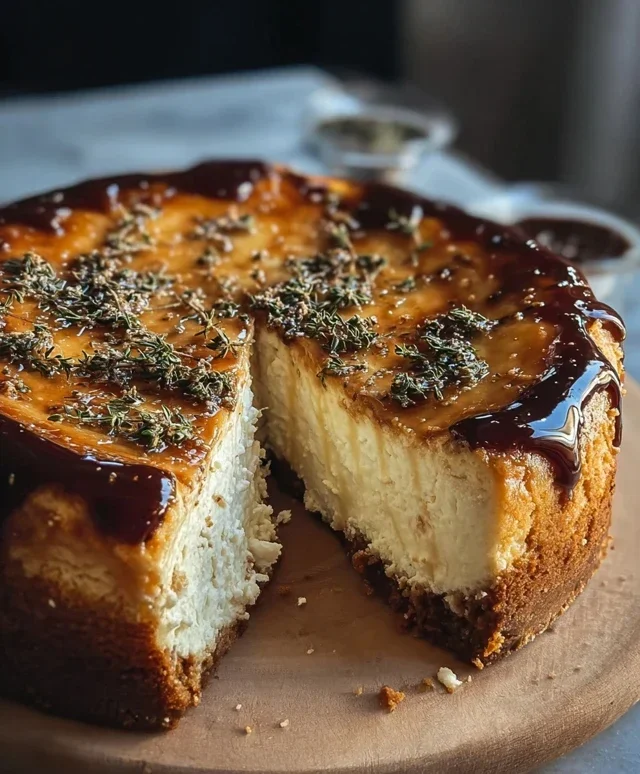
And there you have it – a truly delightful Feta Cheesecake recipe that I’m so excited for you to try! This isn’t your average sweet cheesecake; the salty tang of feta cheese, beautifully balanced with creamy richness, creates a surprisingly sophisticated and utterly delicious dessert (or even appetizer!). Its versatility is a huge part of its charm, making it a fantastic centerpiece for gatherings or a unique treat for a quiet evening in. I truly believe this Feta Cheesecake will become a new favorite in your culinary repertoire.
Consider serving this stunner with a drizzle of honey and a sprinkle of fresh thyme or rosemary for an elegant touch. For a more savory approach, a side of fresh berries or a light balsamic glaze works wonderfully. Don’t be afraid to experiment with flavor variations either! You could incorporate finely chopped sun-dried tomatoes, Kalamata olives, or even a hint of lemon zest into the filling for an extra layer of complexity.
I wholeheartedly encourage you to dive into making this Feta Cheesecake. It’s a rewarding bake that offers a delightful departure from the ordinary. Let me know how it turns out for you!
Frequently Asked Questions:
Can I make this cheesecake ahead of time?
Absolutely! This Feta Cheesecake actually benefits from being made ahead. Chilling it for at least 4 hours, or ideally overnight, allows the flavors to meld beautifully and the texture to set perfectly. It makes entertaining so much easier!
What kind of feta cheese should I use?
I recommend using a good quality block feta, preferably made from sheep’s milk or a sheep and goat’s milk blend. This will give you the best flavor and creamiest texture. Pre-crum extractbled feta can sometimes be drier and contain anti-caking agents that might affect the final result.
Feta Cheesecake
A savory cheesecake featuring the salty tang of feta cheese, balanced with creamy richness and a hint of honey and thyme.
Ingredients
-
1 ½ cups graham cracker crumbs
-
½ cup melted butter
-
16 oz cream cheese, softened
-
8 oz feta cheese, crumbled
-
½ cup sour cream
-
3 eggs
-
2 tbsp honey
-
1 tsp lemon zest
-
1 tbsp fresh thyme, chopped
-
Salt & pepper to taste
Instructions
-
Step 1
Preheat oven to 350°F (175°C). Grease a 9-inch springform pan. -
Step 2
In a bowl, combine graham cracker crumbs and melted butter. Press mixture evenly into the bottom of the prepared pan. -
Step 3
In a large bowl, beat cream cheese until smooth. Add feta cheese and beat until combined. -
Step 4
Stir in sour cream, honey, lemon zest, and chopped thyme. Mix well. -
Step 5
Beat in eggs one at a time until just combined. Season with salt and pepper to taste. -
Step 6
Pour the filling over the crust. Bake for 55-65 minutes, or until the edges are set and the center is slightly jiggly. -
Step 7
Turn off the oven and let the cheesecake cool in the oven with the door ajar for 1 hour. This prevents cracking. -
Step 8
Remove from oven and let cool completely on a wire rack. Chill in the refrigerator for at least 4 hours before serving.
Important Information
Nutrition Facts (Per Serving)
It is important to consider this information as approximate and not to use it as definitive health advice.
Allergy Information
Please check ingredients for potential allergens and consult a health professional if in doubt.