Pâtes de Fruits – Homemade No Corn Syrup Recipe
Homemade pâtes de fruits are an absolute delight, a burst of pure, concentrated fruit flavor that dances on your tongue. Forget those mass-produced candies; we’re talking about crafting something truly special in your own kitchen. For me, the magic of pâtes de fruits lies in their intense fruitiness, a vibrant sweetness without being cloying, and that satisfyingly chewy texture. They’re the perfect little jewel-toned treats to impress guests or simply to indulge yourself. And the best part? You can achieve this incredible taste and texture without relying on corn syrup, making your homemade pâtes de fruits a cleaner, more wholesome indulgence. I’m so excited to share this recipe for authentic, corn syrup-free pâtes de fruits with you!
Homemade Pâtes de Fruits (No Corn Syrup)
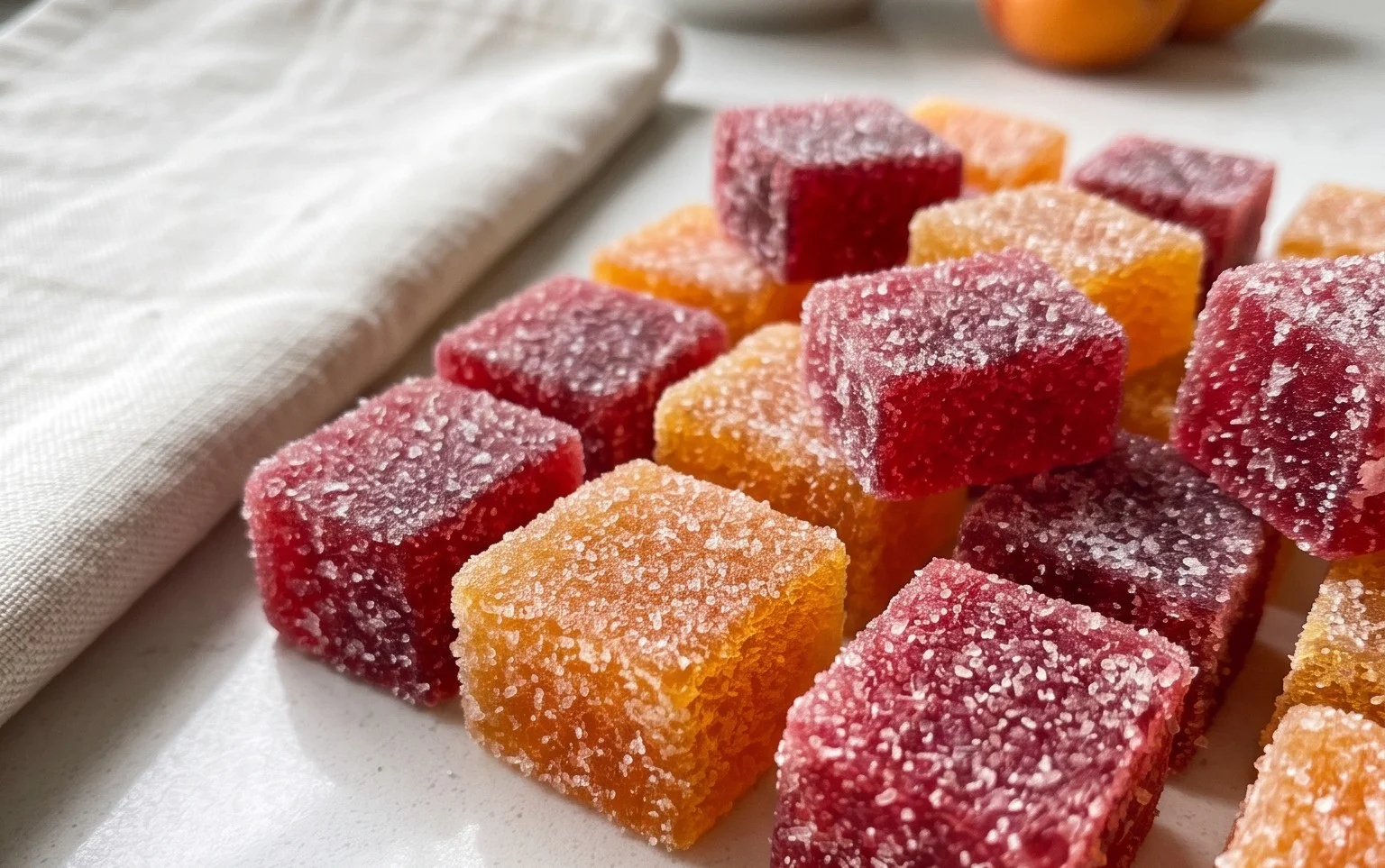
There’s something truly magical about a perfectly crafted pâte de fruit. These jewel-like confections, bursting with vibrant fruit flavor and boasting that signature slight chew, are often a staple in French patisseries. Traditionally, many recipes rely on corn syrup to achieve the desired texture and prevent crystallization. However, for those seeking to avoid corn syrup or simply wanting a more “pure” fruit-based treat, it’s absolutely achievable. Today, we’re diving into the delightful world of making your own pâtes de fruits right in your kitchen, using a simple yet effective technique that yields incredibly satisfying results. Forget complicated processes; with just a few key ingredients and a little patience, you’ll be creating these exquisite fruit jellies that will impress everyone, including yourself.
The secret to successful corn syrup-free pâtes de fruits lies in understanding the role of pectin and sugar. Pectin is a natural gelling agent found in fruits, and when activated by heat and acid (like lemon juice), it creates that delightful firm yet yielding texture. Sugar not only adds sweetness but also plays a crucial role in controlling the gelling process and preventing the sugars from crystallizing, which can result in a grainy texture. By carefully balancing these elements, we can achieve that perfect chew and vibrant flavor without any artificial additives.
Let’s get started with what you’ll need.
Ingredients:
Note on Pectin: Ensure you are using classic or liquid* pectin, not low-sugar or calcium-modified pectin, as these will behave differently and are designed for different applications. Classic pectin is usually found in the canning aisle of your grocery store.
The Preparation and Cooking Process
The journey to perfectly formed pâtes de fruits begin extracts with a little bit of prep work and then a careful dance with heat. Don’t be intimidated; each step is designed to guide you to a beautiful end result.
1. Preparing Your Molds: Before you even begin extract cooking, it’s essential to have your molds ready. Line a shallow baking dish (an 8×8 inch or similar size works well) with parchment paper, ensuring there’s some overhang on the sides to help you lift the set jelly out later. If you have individual small molds, like mini tart tins or silicone candy molds, you can grease them very lightly with a neutral oil, though parchment-lined is generally easier for cutting. Having this ready means you can pour your mixture immediately when it’s done.
2. Combining the Dry Ingredients: In a medium saucepan, whisk together the granulated sugar and the 3 tablespoons of classic pectin. It’s really important to mix these thoroughly before adding any liquid. This step prevents the pectin from clumping and ensures it disperses evenly throughout the mixture, leading to a smooth and consistent set. A few lumps of pectin can create undesirable textures, so take your time here and ensure it’s a uniform, powdery blend.
3. Adding the Fruit Juice and Lemon Juice: Gradually add the 2 cups of fruit juice to the sugar and pectin mixture, whisking constantly to create a smooth slurry. Once the liquid is incorporated and you have no dry pockets of pectin, add the 1 tablespoon of freshly squeezed lemon juice. The lemon juice is crucial for activating the pectin and providing the necessary acidity for it to gel properly. Give it a good stir to ensure everything is well combined.
4. Cooking the Mixture: Place the saucepan over medium-high heat. Bring the mixture to a rolling boil, stirring frequently. Once it reaches a full, vigorous boil that cannot be stirred out, continue to boil for exactly 1 minute, stirring constantly. This precise timing is important for the pectin to fully activate. Be careful as the mixture can bubble up considerably. You’re looking for a thick, glossy consistency. If it doesn’t seem to be thickening enough after the minute, you can boil for an additional 30 seconds, but be mindful not to overcook, as this can lead to a tougher texture.
5. Pouring and Setting: Immediately after the 1-minute boil, carefully pour the hot mixture into your prepared baking dish. The mixture will be quite fluid at this stage. Gently shake the dish to ensure an even layer. Let it cool at room temperature for about 15-20 minutes, then transfer it to the refrigerator. Allow it to set completely, which usually takes at least 3-4 hours, or preferably overnight. You want it to be firm to the touch and no longer liquid.
6. Cutting and Coating: Once fully set, use the parchment paper overhang to carefully lift the jelly out of the dish onto a clean cutting board. You can trim any uneven edges if desired. Using a sharp knife or a pizza cutter, cut the jelly into your desired shapes. Small squares or rectangles are classic, but you can also use cookie cutters for more decorative pieces. Then, in a shallow dish, pour a generous amount of additional granulated sugar. Toss each cut piece in the sugar, coating all sides. This sugar coating not only adds a delightful crunchy exterior but also helps to prevent the pâtes de fruits from sticking together. Gently shake off any excess sugar.
Your homemade pâtes de fruits are now ready to be enjoyed! Store them in an airtight container at room temperature for up to a week, separated by layers of parchment paper if needed to prevent sticking. The vibrant flavors and delightful chew are a testament to the magic of simple ingredients.
Conclusion:
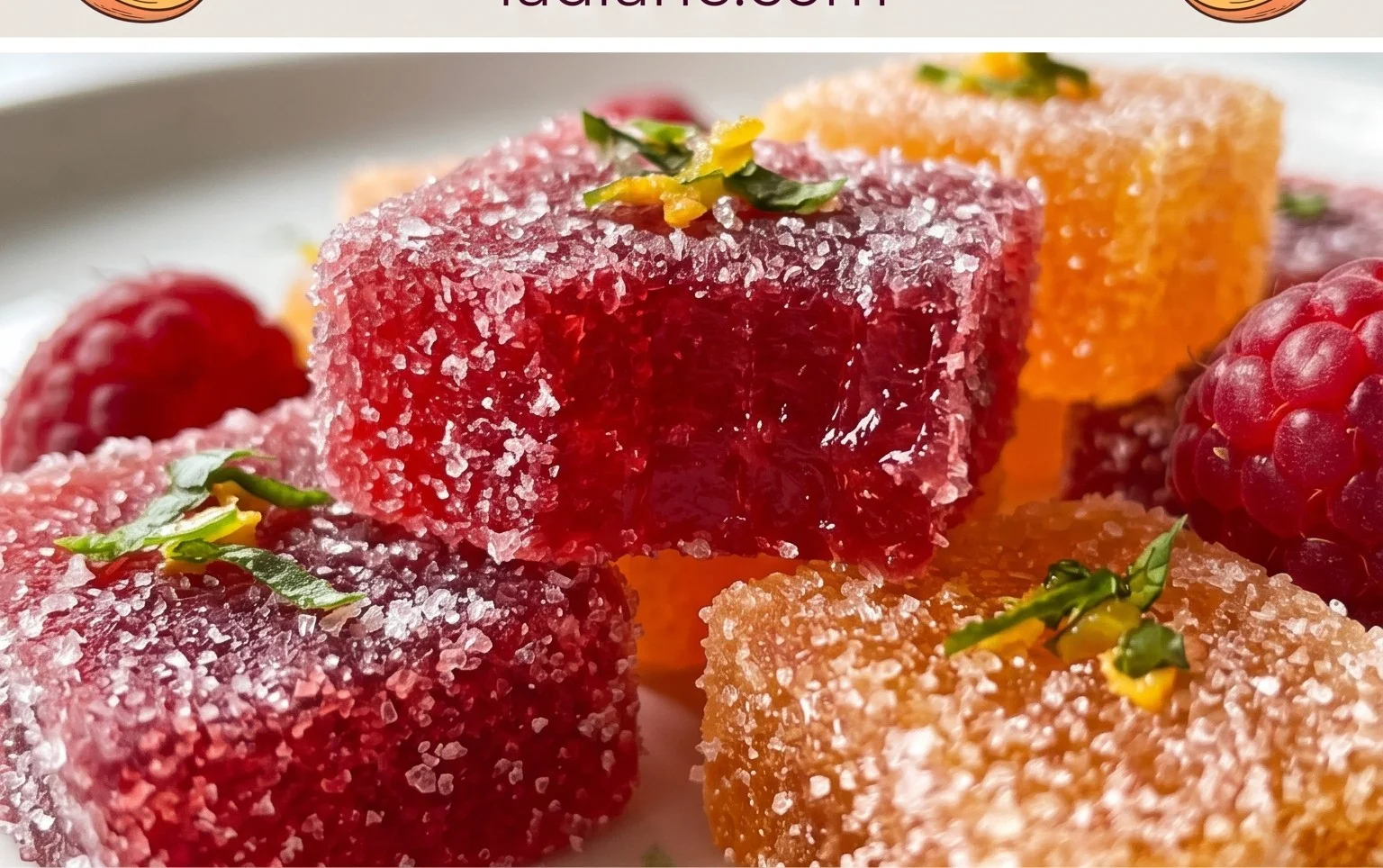
Creating your own homemade pâtes de fruits without corn syrup is incredibly rewarding, and as you’ve seen, it’s entirely achievable! This recipe bypasses the need for commercial corn syrup, relying on simple sugar and fruit purées to create those wonderfully chewy, intensely fruity confections. The result is a healthier, more natural treat bursting with the pure essence of your chosen fruit. These delightful morsels are perfect for gifting, elevating a cheese board, or simply enjoying as a sophisticated sweet treat with your afternoon tea or coffee. Don’t be afraid to experiment with different fruits – berries, stone fruits, and tropical fruits all work beautifully! I highly encourage you to try this recipe; the satisfaction of biting into a perfectly set, homemade pâte de fruit you made yourself is truly unmatched. Get creative and have fun!
Frequently Asked Questions:
Why is it important to avoid corn syrup?
Avoiding corn syrup in your homemade pâtes de fruits allows for a cleaner, more natural flavor profile. Commercial corn syrup can sometimes lend an artificial sweetness or a slightly different texture. By using granulated sugar and fruit, you get a purer, more authentic fruit taste and a texture that’s equally delightful.
How long do homemade pâtes de fruits last?
Stored properly in an airtight container at room temperature, these delicious fruit jellies can last for about 2-3 weeks. Keeping them out of direct sunlight and away from heat will help maintain their texture and flavor.
Can I use frozen fruit for my pâtes de fruits?
Yes, absolutely! Frozen fruit is an excellent option, especially when fresh fruit is out of season. Ensure you thaw it completely and drain off any excess liquid before puréeing it for your recipe. The flavor will be just as vibrant.
Homemade Pâtes de Fruits (no corn syrup)
Create delicious, fruit-forward pâtes de fruits at home without using corn syrup. This recipe focuses on pure fruit flavor and a satisfying chewy texture.
Ingredients
-
2 cups fruit juice (e.g., orange and pomegranate)
-
1 cup granulated sugar, plus more for coating
-
3 tablespoons classic pectin
-
1 tablespoon freshly squeezed lemon juice
Instructions
-
Step 1
In a saucepan, whisk together the pectin and about 1/4 cup of the granulated sugar. This prevents the pectin from clumping. -
Step 2
Add the fruit juice and lemon juice to the saucepan. Stir well to combine. -
Step 3
Place the saucepan over medium heat and bring the mixture to a boil, stirring constantly. Once boiling, add the remaining granulated sugar. -
Step 4
Continue to boil for 2-3 minutes, stirring frequently, until the mixture thickens. It should reach about 220°F (104°C) on a candy thermometer. -
Step 5
Pour the hot mixture into a greased or parchment-lined 8×8 inch baking dish. Let it cool completely at room temperature for at least 4 hours, or until firm. -
Step 6
Once firm, cut the pâtes de fruits into desired shapes (squares or rectangles). Toss each piece in granulated sugar to coat all sides.
Important Information
Nutrition Facts (Per Serving)
It is important to consider this information as approximate and not to use it as definitive health advice.
Allergy Information
Please check ingredients for potential allergens and consult a health professional if in doubt.