Easy Slow Cooker Beef Ragu Recipe-Hearty & Delicious
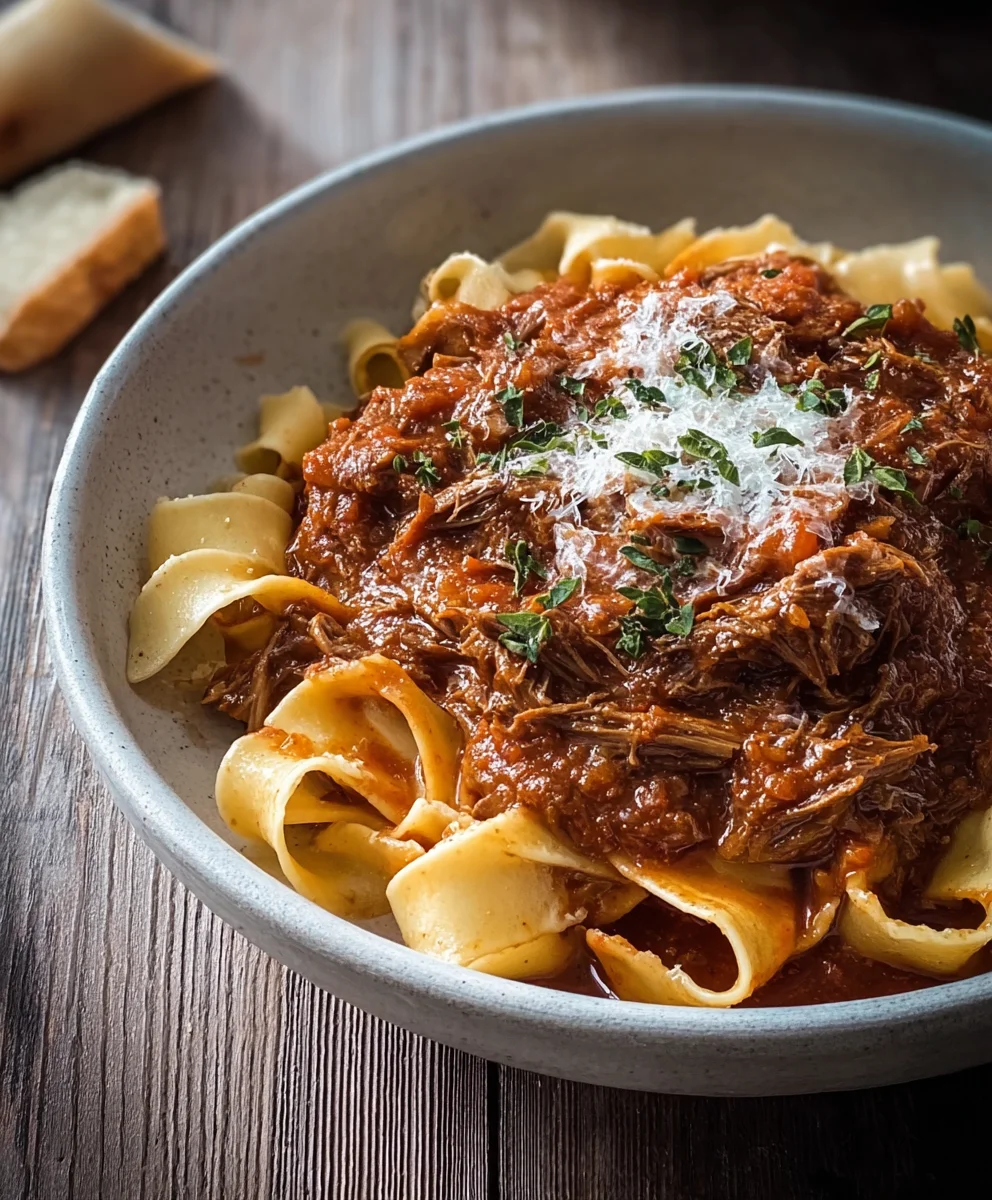
Easy Slow Cooker Beef Ragu, a dish that whispers comfort and shouts flavor, is more than just a meal; it’s an experience. Imagin extracte coming home after a long day to the rich, non-intoxicating aroma of slow-cooked beef, simmering in a luscious tomato and herb sauce. This is precisely the magic this recipe unlocks. We all crave those hearty, soul-warming dishes that feel both indulgent and incredibly satisfying, and this ragu consistently delivers. What makes our Easy Slow Cooker Beef Ragu so special? It’s the hands-off nature of the slow cooker, transforming humble cuts of beef into melt-in-your-mouth tender strands, infused with deep, complex flavors that would typically take hours of stovetop attention. It’s the perfect blend of simplicity and gourmet results, a true weeknight hero that will have everyone asking for seconds, and perhaps even a doggy bag for lunch the next day. Get ready to fall in love with this fuss-free, incredibly delicious ragu.
Ingredients:
- 1.25-1.75 pounds chuck roast, trimmed of excess fat and bone removed
- 30 oz tomato sauce
- 8.8 oz pappardelle pasta
- 4 garlic cloves, thinly sliced
- 2 bay leaves
- 1 teaspoon fennel seeds
- ¼ teaspoon red pepper flakes (optional)
- ¼ teaspoon pepper
- Salt to taste
- Parmesan cheese for topping (optional)
Preparing the Beef
Seasoning the Chuck Roast
The foundation of our Easy Slow Cooker Beef Ragu is a beautiful cut of chuck roast. For the best flavor and tenderness, it’s crucial to trim away any large pieces of excess fat. This doesn’t mean removing all fat; a good amount of marbling is what will melt down and create that luscious, rich sauce. Once trimmed, pat the chuck roast completely dry with paper towels. This is a key step that helps create a better sear if you choose to sear it, or allows the seasonings to adhere better if you’re going straight to the slow cooker. Generously season the entire surface of the roast with salt and the ¼ teaspoon of black pepper. Don’t be shy with the salt; the roast is quite large, and it needs enough to penetrate the meat during the long cooking process.
Building the Ragu Base
Combining Flavors in the Slow Cooker
Now, let’s get everything into the slow cooker. Place the seasoned chuck roast into the bottom of your slow cooker insert. Scatter the thinly sliced garlic cloves all around and over the roast. The slow cooking process will gently soften the garlic, infusing its pungent flavor throughout the ragu without it becoming overpowering or burnt. Next, add the bay leaves. These fragrant leaves will impart a subtle but essential aromatic depth. Sprinkle in the fennel seeds. Fennel and beef are a classic pairing, and their mild anise-like flavor adds a wonderful complexity to the ragu. If you enjoy a little warmth, now is the time to add the ¼ teaspoon of red pepper flakes. This is completely optional, but it adds a very gentle nudge of heat that complements the richness of the beef and tomato. Finally, pour the entire 30 oz can of tomato sauce over the roast and the other ingredients. Ensure the sauce surrounds the meat as much as possible.
The Slow Cooking Process
Low and Slow for Maximum Tenderness
Once all the ingredients are in the slow cooker, it’s time for the magic of low and slow cooking. Cover the slow cooker with its lid, ensuring a good seal. Set your slow cooker to the LOW setting. We want to cook this for at least 6 to 8 hours, or even up to 10 hours. The exact time will depend on your slow cooker and the size of your chuck roast. The goal is to cook the beef until it is fall-apart tender. You should be able to shred it easily with two forks. Resist the urge to lift the lid frequently, as this releases heat and prolongs the cooking time. The consistent, gentle heat is what breaks down the connective tissues in the chuck roast, transforming it into incredibly tender, melt-in-your-mouth meat.
Shredding the Beef and Finishing the Ragu
Creating the Perfect Ragu Texture
After the long, slow cooking period, it’s time to bring our ragu to its final delicious form. Carefully remove the cooked chuck roast from the slow cooker and place it on a clean cutting board or in a large bowl. You’ll notice it’s incredibly tender. Use two forks to shred the beef into bite-sized pieces. Don’t worry about getting it perfectly uniform; a little variation in size adds to the rustic charm of the ragu. Discard the bay leaves from the slow cooker insert. Now, stir the shredded beef back into the rich tomato sauce. Taste the ragu and adjust seasoning with additional salt and pepper as needed. If the sauce seems a little too thick, you can add a splash of water or beef broth to reach your desired consistency. If it’s too thin, you can let it simmer on the stovetop for a short while, uncovered, to reduce.
Cooking the Pappardelle and Serving
Bringin extractg it all Together
While the ragu is having its final moments of deliciousness, it’s time to cook the pappardelle pasta. Bring a large pot of generously salted water to a rolling boil. Add the 8.8 oz of pappardelle pasta and cook according to the package directions. Pappardelle is a wide, ribbon-like pasta that is perfect for holding a hearty ragu. Cook it until it’s al dente – tender but still with a slight bite. Drain the pasta well. To serve, you can either add the drained pappardelle directly to the slow cooker with the ragu and toss to coat, or serve the ragu spooned generously over individual portions of pasta. For an extra touch of indulgence, sprinkle with grated Parmesan cheese right before serving. This Easy Slow Cooker Beef Ragu is a wonderfully comforting and flavorful meal that’s perfect for a cozy evening.
Conclusion:
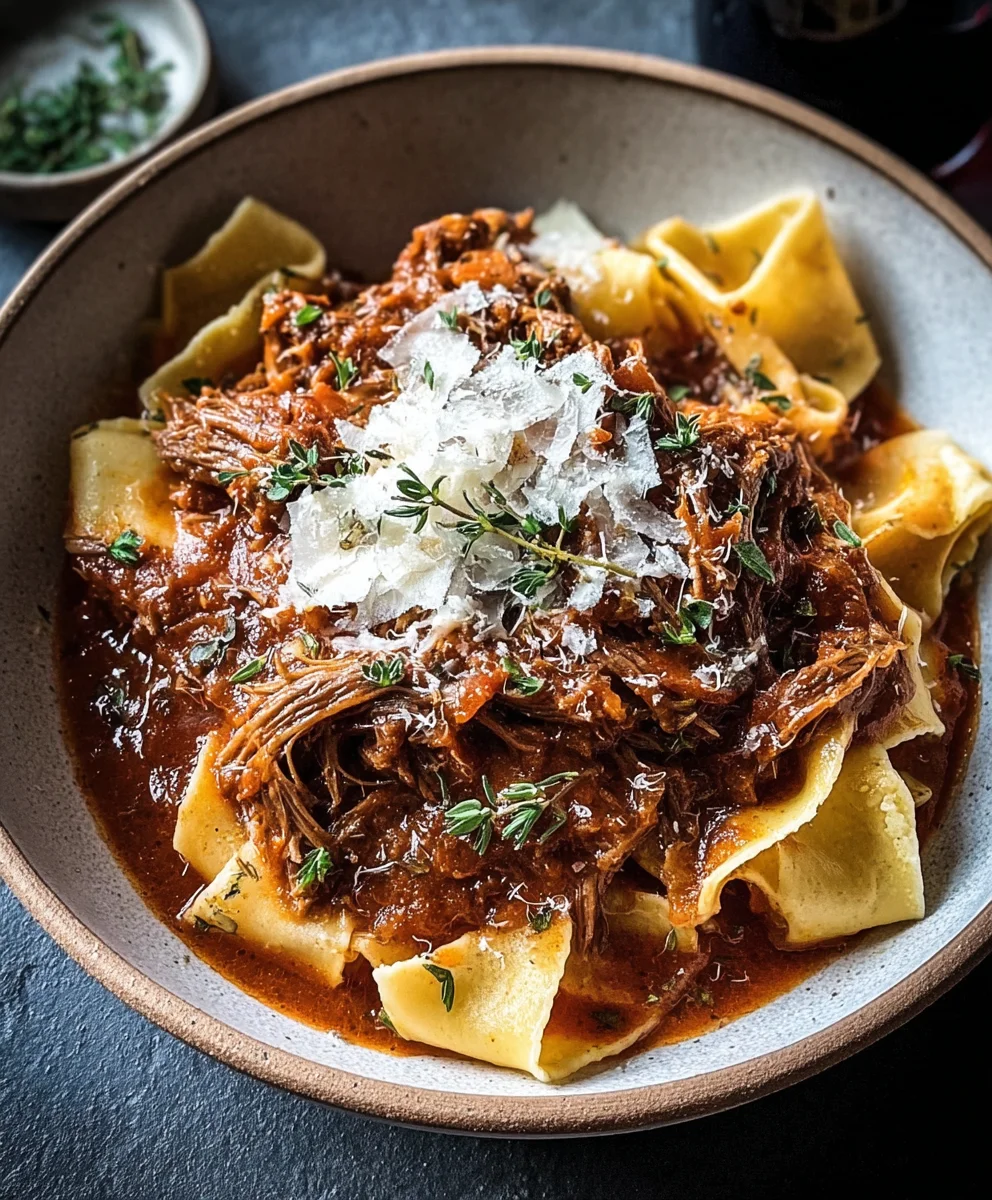
And there you have it – a rich, flavorful, and incredibly satisfying Easy Slow Cooker Beef Ragu! This recipe is a testament to how simple ingredients and a bit of time can create something truly special. The slow cooking process tenderizes the beef to perfection, allowing the robust tomato and herb flavors to meld beautifully. I truly hope you enjoy making and sharing this comforting dish with your loved ones. It’s the perfect antidote to a busy weeknight or a fantastic centerpiece for a relaxed weekend meal. Don’t be afraid to get creative with your serving!
This Easy Slow Cooker Beef Ragu is incredibly versatile. Serve it tossed with your favorite pasta, like tagliatelle or pappardelle, for a classic Italian experience. It’s also delicious spooned over creamy polenta, fluffy mashed potatoes, or even used as a filling for hearty baked potatoes or lasagna. For a lighter option, try serving it with crusty bread for dipping.
Feel free to experiment with the herbs! While I love the combination of oregano and basil, a sprig of rosemary or thyme added during the simmering process can impart a lovely depth of flavor. If you prefer a slightly sweeter ragu, a pinch of sugar can balance the acidity of the tomatoes.
FAQs:
Can I make this Easy Slow Cooker Beef Ragu ahead of time?
Absolutely! In fact, the flavors often deepen and improve when made a day in advance. Simply cool the ragu completely, then store it in an airtight container in the refrigerator for up to 3-4 days. Reheat gently on the stovetop or in the slow cooker on a warm setting.
What kind of beef is best for this Easy Slow Cooker Beef Ragu?
Tougher, well-marbled cuts of beef are ideal for slow cooking as they break down beautifully and become incredibly tender. Chuck roast, beef shoulder, or even brisket are excellent choices for this Easy Slow Cooker Beef Ragu. Avoid lean cuts, as they can become dry and tough.
How can I thicken the Easy Slow Cooker Beef Ragu if it’s too thin?
If your ragu is thinner than you’d like, you have a few options. You can remove the lid from the slow cooker during the last 30-60 minutes of cooking to allow some of the liquid to evaporate. Alternatively, you can create a slurry by mixing 1-2 tablespoons of cornstarch with an equal amount of cold water, then stirring it into the ragu and simmering until thickened. For a richer thickness, you can also stir in a tablespoon or two of tomato paste.
Easy Slow Cooker Beef Ragu Recipe-Hearty & Delicious
A hearty and delicious beef ragu made easily in a slow cooker, perfect for a comforting meal.
Ingredients
-
1.25-1.75 pounds beef chuck roast, trimmed of excess fat and bone removed
-
30 oz tomato sauce
-
8.8 oz pappardelle pasta
-
4 garlic cloves, thinly sliced
-
2 bay leaves
-
1 teaspoon fennel seeds
-
1/4 teaspoon red pepper flakes (optional)
-
1/4 teaspoon pepper
-
Salt to taste
-
Parmesan cheese for topping (optional)
Instructions
-
Step 1
Trim excess fat and bone from the beef chuck roast. Pat it completely dry and generously season with salt and pepper. -
Step 2
Place the seasoned beef roast in the bottom of your slow cooker. Scatter the sliced garlic cloves around and over the roast. Add the bay leaves, fennel seeds, and red pepper flakes (if using). Pour the entire can of tomato sauce over the ingredients, ensuring it surrounds the meat. -
Step 3
Cover the slow cooker and cook on LOW for 6 to 8 hours, or up to 10 hours, until the beef is fall-apart tender and can be easily shredded with two forks. -
Step 4
Carefully remove the cooked beef from the slow cooker and place it on a cutting board. Shred the beef into bite-sized pieces using two forks. Discard the bay leaves from the slow cooker insert. -
Step 5
Stir the shredded beef back into the rich tomato sauce in the slow cooker. Taste and adjust seasoning with additional salt and pepper as needed. If the sauce is too thick, add a splash of water or beef broth. If too thin, simmer uncovered on the stovetop to reduce. -
Step 6
While the ragu finishes, bring a large pot of generously salted water to a boil. Cook the pappardelle pasta according to package directions until al dente. Drain well. -
Step 7
Serve the ragu spooned generously over the cooked pappardelle pasta. Sprinkle with grated Parmesan cheese before serving, if desired.
Important Information
Nutrition Facts (Per Serving)
It is important to consider this information as approximate and not to use it as definitive health advice.
Allergy Information
Please check ingredients for potential allergens and consult a health professional if in doubt.