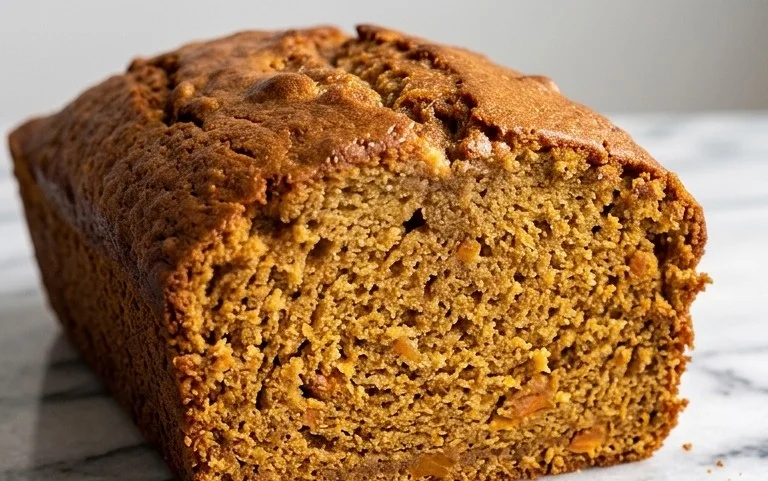
Cheesy Sourdough Bread Recipe – Delicious & Easy Homemade
Sourdough Cheese Bread. There’s something undeniably magical about this humble yet spectacular creation. It’s the kind of bread that makes your kitchen smell like pure comfort and joy, a testament to the slow, patient magic of fermentation. If you’ve ever found yourself captivated by the tangy aroma and the wonderfully chewy texture of artisanal bread, then this Sourdough Cheese Bread is about to become your new obsession. People adore it not just for its incredible flavor profile – that delightful interplay between the sour notes of the sourdough starter and the savory, melted cheese – but also for the sheer satisfaction of creating it from scratch. What truly sets this particular Sourdough Cheese Bread apart is the way the cheese, often a blend of sharp cheddar and nutty Gruyère, melts into the airy crum extractb, creating pockets of gooey goodness that are simply irresistible with every bite. Get ready to elevate your bread-making game and impress everyone (especially yourself!) with this deeply satisfying recipe.

Ingredients:
- 1 cup milk (or 244 g water)
- 1/2 cup active sourdough starter (or 113 g)
- 1 large egg
- 1 tablespoon sugar (or 12 g)
- 1 teaspoon salt (or 5 g)
- 1 teaspoon garlic powder (or 3 g)
- 3 cups flour (or 420 g)
- 4 tablespoons butter (or 56 g), softened
- 2 cups shredded cheddar cheese
- Optional: 1 egg yolk for egg wash, a pinch of flaky salt for topping
Making the Dough
Step 1: Activating the Starter and First Mix
To begin extract crafting your incredible Sourdough Cheese Bread, let’s get our dough started. In a large mixing bowl, gently whisk together the milk and your active sourdough starter. Make sure your starter is bubbly and active; this is crucial for a good rise and that signature sourdough tang. If you don’t have milk on hand, 244 grams of water will work perfectly as a substitute, though milk tends to add a bit more richness to the finished loaf. Add the large egg to this mixture and stir until everything is well combined. Next, we’ll incorporate the dry ingredients. Sprinkle in the sugar, salt, and garlic powder. Give it a quick stir to distribute these flavor enhancers evenly throughout the liquid. This initial combination sets the stage for a wonderfully savory and slightly sweet bread.
Step 2: Adding the Flour and Initial Kneading
Now it’s time to introduce the flour. Gradually add the 3 cups of flour (420 g) to the wet ingredients. You can do this all at once or in a few additions. I find it helpful to add about half the flour first and mix until it forms a shaggy dough, then add the remaining flour. Use a sturdy spoon or your hands to mix until no dry flour streaks remain. The dough will be quite sticky at this stage, and that’s perfectly normal for a sourdough bread. Turn the dough out onto a lightly floured surgin extracte. Begin kneading. This process develops the gluten, which gives bread its structure. Knead for about 8-10 minutes. Initially, the dough will be very sticky and might cling to your hands and the counter. Resist the urge to add too much extra flour; instead, use a bench scraper to help lift and fold the dough. As you knead, you’ll notice the dough becoming smoother and more elastic. It should start to pull away from your hands more cleanly.
Step 3: Incorporating the Butter and Cheese
Once you have a fairly smooth and elastic dough, it’s time to incorporate the fat and flavor. Add the 4 tablespoons of softened butter (56 g) to the dough, a tablespoon at a time, while continuing to knead. This is a process called “autolyse with fat” and it makes the dough incredibly soft and pliable. It might seem like it’s falling apart at first, but keep kneading, and the butter will eventually be fully absorbed. This usually takes another 5-7 minutes of kneading. Once the butter is incorporated and the dough feels smooth and silky, it’s time for the star of the show: the cheese. Gently fold in the 2 cups of shredded cheddar cheese. You can do this by hand or with your mixer’s dough hook on a low speed, just until the cheese is evenly distributed throughout the dough. Be careful not to overmix at this stage, as we don’t want the cheese to melt into the dough too much. You want distinct cheesy pockets in your finished bread.
Fermentation and Shaping
Step 4: First Rise (Bulk Fermentation)
Lightly grease a clean bowl with a little oil or cooking spray. Place the dough into the prepared bowl, turning it to coat all sides. Cover the bowl tightly with plastic wrap or a damp kitchen towel. Let the dough ferment in a warm place. The fermentation time will vary depending on the temperature of your kitchen and the strength of your sourdough starter, but typically this first rise can take anywhere from 4 to 8 hours, or even longer in cooler environments. You’re looking for the dough to at least double in size. During this time, you can perform a few “stretch and folds” every hour for the first 2-3 hours. This helps to further strengthen the gluten and distribute the yeast and bacteria evenly. To do a stretch and fold, wet your hands slightly, grab one edge of the dough, gently stretch it upwards, and fold it over the center. Rotate the bowl a quarter turn and repeat this process with the remaining sides.
Step 5: Shaping and Second Rise (Proofing)
Once your dough has doubled in size, it’s time to shape it. Gently turn the dough out onto a lightly floured surface. Be careful not to punch out all the air you’ve worked so hard to develop. You can shape this dough into a round boule or a long bâtard. To form a round loaf, gently flatten the dough into a rough circle, then fold the edges into the center, creating tension on the surface. Pinch the seams closed and gently roll it into a smooth ball. If you prefer a bâtard, gently flatten the dough into a rectangle, then tightly roll it up from one end, pinching the seams closed. Place the shaped dough seam-side down into a proofing basket (banneton) that has been generously floured with rice flour or regular flour, or onto a baking sheet lined with parchment paper. Cover the shaped dough loosely and let it proof for a second time. This second rise typically takes 1-3 hours at room temperature, or you can place it in the refrigerator for a longer, slower proof (overnight is excellent for developing flavor). The dough is ready when it’s visibly puffy and springs back slowly when gently poked.
Baking Your Sourdough Cheese Bread
Step 6: Baking to Golden Perfection
Preheat your oven to 450°F (230°C) with a Dutch oven or baking stone inside for at least 30 minutes. If using a Dutch oven, carefully remove it from the oven. Gently invert your proofed dough into the hot Dutch oven, seam-side down. If you’re using a baking stone, carefully transfer your dough onto it. If you opted for the optional egg wash, brush the top of the dough with the egg yolk now, and sprinkle with flaky salt for an extra layer of flavor and beautiful crust. Score the top of the dough with a sharp knife or lame to allow for even expansion during baking. Carefully place the lid back on the Dutch oven, or if using a baking stone, place a pan of water on the rack below the stone to create steam.
Step 7: The Final Bake
Bake the Sourdough Cheese Bread for 20 minutes with the lid on the Dutch oven (or with steam in the oven). After 20 minutes, carefully remove the lid (or the steam pan). Reduce the oven temperature to 425°F (220°C). Continue baking for another 20-30 minutes, or until the crust is a deep golden brown and the internal temperature of the bread reaches 200-210°F (93-99°C). The aroma will be incredible! Once baked, carefully remove the loaf from the oven and place it on a wire rack to cool completely. This is the hardest part – waiting! Allowing the bread to cool completely ensures the interior is set and the flavors have melded beautifully. Slice and enjoy your homemade Sourdough Cheese Bread!

Conclusion:
I hope you’ve enjoyed this journey into creating delicious Sourdough Cheese Bread! This recipe has truly captured my heart with its tangy sourdough base, gooey melted cheese, and incredibly satisfying crust. The process might seem a little involved, but the reward of pulling a warm, fragrant loaf from your oven is absolutely worth every step. This Sourdough Cheese Bread is incredibly versatile. Serve it simply sliced on its own, toasted with a smear of butter, or as the star of your next sandwich. It’s also fantastic alongside soups and stews, adding a delightful cheesy note to any meal.
Feeling adventurous? Don’t hesitate to experiment with different cheeses! Sharp cheddar, Gruyère, or even a blend of Monterey Jack and pepper jack would be divine. You can also add in some finely chopped chives or a pinch of garlic powder for an extra flavor boost. The beauty of homemade bread, especially sourdough, is the ability to truly make it your own. So go ahead, get your hands floury, and enjoy the process of creating this magnificent Sourdough Cheese Bread. Happy baking!
Frequently Asked Questions:
What kind of starter is best for Sourdough Cheese Bread?
A mature, active sourdough starter that has been fed recently and is bubbly is ideal for this Sourdough Cheese Bread recipe. This ensures good leavening and a pleasant tangy flavor.
Can I add different types of cheese?
Absolutely! While the recipe calls for a specific cheese, feel free to swap it out for your favorites. Harder cheeses like aged cheddar or Parmesan add a nutty depth, while softer cheeses like mozzarella can provide extra stretchiness. Just ensure the cheese is grated or in small cubes for even melting.
My Sourdough Cheese Bread didn’t rise as much as I expected. What went wrong?
There could be a few reasons for this. Your starter might not have been active enough, the room temperature could have been too cool for fermentation, or you might have overworked the dough during shaping, which can degas it. Ensuring your starter is vigorous and giving the dough ample time to proof are key.
Cheesy Sourdough Bread Recipe – Delicious & Easy Homemade
A delicious and easy homemade cheesy sourdough bread recipe, perfect for any occasion. This recipe uses simple ingredients and a straightforward process to create a wonderfully flavorful and satisfying loaf.
Ingredients
-
1 cup milk
-
1/2 cup active sourdough starter
-
1 large egg
-
1 tablespoon sugar
-
1 teaspoon salt
-
1 teaspoon garlic powder
-
3 cups flour
-
4 tablespoons butter, softened
-
2 cups shredded cheddar cheese
-
Optional: 1 egg yolk for egg wash
-
Optional: a pinch of flaky salt for topping
Instructions
-
Step 1
In a large mixing bowl, whisk together the milk and active sourdough starter until well combined. Add the egg and stir. Sprinkle in the sugar, salt, and garlic powder, and stir again. -
Step 2
Gradually add the flour to the wet ingredients. Mix until a shaggy dough forms, then turn out onto a lightly floured surface. Knead for 8-10 minutes until the dough becomes smoother and more elastic. -
Step 3
Incorporate the softened butter, a tablespoon at a time, while continuing to knead for another 5-7 minutes until fully absorbed and the dough is smooth and silky. Gently fold in the shredded cheddar cheese until evenly distributed. -
Step 4
Place the dough in a lightly greased bowl, cover tightly, and let ferment in a warm place for 4-8 hours, or until doubled in size. Perform stretch and folds every hour for the first 2-3 hours. -
Step 5
Gently turn the dough onto a lightly floured surface and shape into a round boule or a long bâtard. Place seam-side down into a floured proofing basket or onto a parchment-lined baking sheet. Cover loosely and let proof for 1-3 hours at room temperature, or overnight in the refrigerator. -
Step 6
Preheat oven to 450°F (230°C) with a Dutch oven or baking stone inside. Carefully invert the proofed dough into the hot Dutch oven or onto the baking stone. Brush with egg wash and sprinkle with flaky salt if using. Score the top of the dough. -
Step 7
Bake for 20 minutes with the lid on the Dutch oven or with steam. Remove the lid or steam pan, reduce oven temperature to 425°F (220°C), and bake for another 20-30 minutes until golden brown and the internal temperature reaches 200-210°F (93-99°C). Cool completely on a wire rack before slicing.
Important Information
Nutrition Facts (Per Serving)
It is important to consider this information as approximate and not to use it as definitive health advice.
Allergy Information
Please check ingredients for potential allergens and consult a health professional if in doubt.