Easy Ramen Eggs Ajitama – Perfect Flavor
Ramen eggs, or ajitama, are an absolute game-changer for any noodle lover. There’s something undeniably magical about that perfectly jammy, golden yolk nestled within a tender, marinated white. It’s not just an egg; it’s an experience, a burst of savory, umami-rich flavor that elevates even the simplest bowl of ramen from good to utterly sensational. So, why are these marinated delights so beloved? It’s the perfect balance of sweet, salty, and a hint of gin extractger that seeps into every crevice, transforming a humble egg into a culinary masterpiece. They add that crucial depth and richness that makes you crave that next spoonful of broth. Making your own ramen eggs is surprisingly simple, and once you’ve tasted the difference, you’ll understand why ajitama are the undisputed cbeef hampions of ramen toppings.
Ramen Eggs (Ajitama)
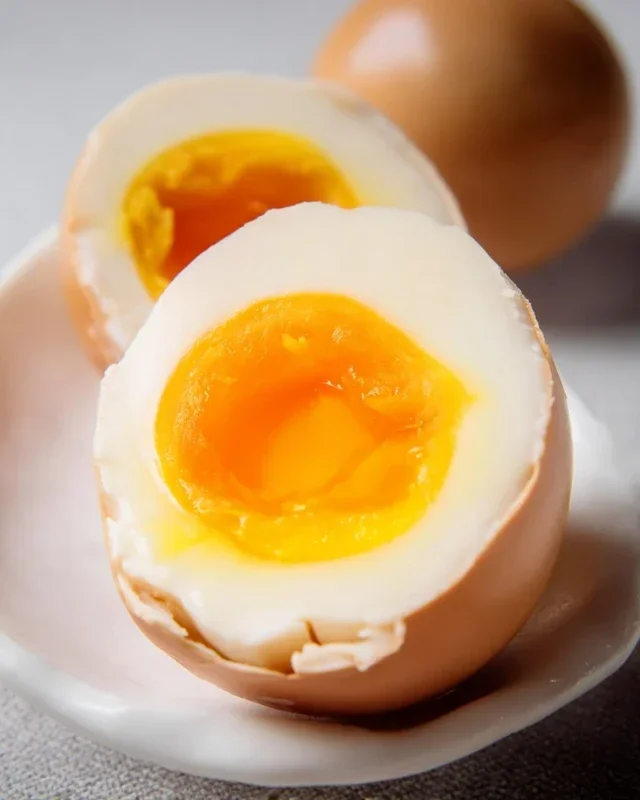
There’s something undeniably special about a perfectly cooked ramen egg, also known as ajitama. That creamy, custardy yolk, infused with savory, sweet, and slightly tangy flavors, is the crowning glory of any bowl of ramen. While it might seem intimidating to achieve that ideal texture, I promise you, it’s simpler than you think. Making your own ajitama at home allows you to control the flavor profile and achieve that restaurant-quality deliciousness that will elevate your noodle game. Let’s get started on creating these little flavor bombs.
Ingredients:
Note on eggs: For the best results and ease of peeling, I highly recommend using eggs that are at least a few days old. Fresh eggs tend to stick more stubbornly to the shell, making the peeling process a bit more frustrating. If you only have very fresh eggs, you can try adding a splash of vinegar to the boiling water, which some believe helps to slightly firm up the egg white, making it easier to separate from the membrane.
Cooking Instructions
1. Preparing the Eggs for Boiling
The first step is to get our eggs ready for their gentle bath. Carefully place the eggs into a saucepan. You want to use a pan that’s just large enough to hold the eggs in a single layer. Overcrowding can lead to uneven cooking. If you’re using the optional vinegar, add about a tablespoon to the water you’ll be using to boil the eggs. This is a little trick to help make peeling easier later on, though not strictly essential for flavor.
2. Boiling the Eggs to Perfection
Now, gently cover the eggs with cool water, ensuring they are submerged by about an inch. Place the saucepan over medium-high heat and bring the water to a rolling boil. The moment the water starts to boil vigorously, immediately turn off the heat. Cover the saucepan with a tight-fitting lid. This is the crucial step for achieving that perfect soft-boiled consistency. Let the eggs sit undisturbed in the hot water for exactly 6 to 7 minutes. This timeframe is key; too short and the yolk will be too runny, too long and it will be hard-boiled. For that desirable jammy, slightly firm but still gooey yolk, 6.5 minutes is often the sweet spot.
3. Shocking and Peeling the Eggs
Once the timer is up, it’s time to stop the cooking process immediately. Prepare an ice bath by filling a large bowl with ice and water. Carefully transfer the cooked eggs from the hot water into the ice bath using a slotted spoon. Let them chill for at least 5 to 10 minutes. This rapid cooling not only stops the cooking but also makes peeling significantly easier. Once cooled, gently tap each egg on a hard surface to crack the shell all over, then carefully peel them under cool running water. The cold water helps to get under the membrane and loosen the shell. Be patient here; a little gentle work goes a long way in preserving the integrity of the egg.
4. Crafting the Marinade
While the eggs are chilling, let’s prepare the delicious marinade that will transform them into ajitama. In a small saucepan, combine the ½ cup of light sodium soy sauce, ¼ cup of water, ¼ cup of non-non-non-alcoholic alternativeic non-alcoholic mirin, and 2 tablespoons of granulated sugar. Stir everything together well to ensure the sugar is dissolved. Place this mixture over medium heat and bring it to a gentle simmer, stirring occasionally. The goal here is just to dissolve the sugar and meld the flavors; you don’t want it to boil vigorously or reduce significantly. Once the sugar is fully dissolved and the liquid is warm, remove it from the heat.
5. Marinating the Ramen Eggs
Now for the magic! Once the eggs are peeled and you’ve carefully drained any excess water, it’s time to introduce them to their flavorful bath. You can use a resealable plastic bag or a small airtight container for this step. Pour the warm marinade into the bag or container. Gently place the peeled, soft-boiled eggs into the marinade. Ensure that each egg is fully submerged. Seal the bag or container and carefully place it in the refrigerator. The eggs need to marinate for at least 4 hours, but for the best flavor infusion, I recommend marinating them overnight, or even up to 24 hours. The longer they marinate, the deeper the flavor will penetrate into the egg white and yolk.
After their marination period, your ajitama are ready to be enjoyed! Carefully remove them from the marinade. You can slice them in half lengthwise to reveal that beautiful, creamy yolk, or serve them whole. They are a fantastic addition to ramen, of course, but they’re also delicious on their own as a snack, in salads, or on avocado toast. Store any leftover marinated eggs in the marinade in the refrigerator for up to 3-4 days. Enjoy your homemade ramen eggs!
Conclusion:
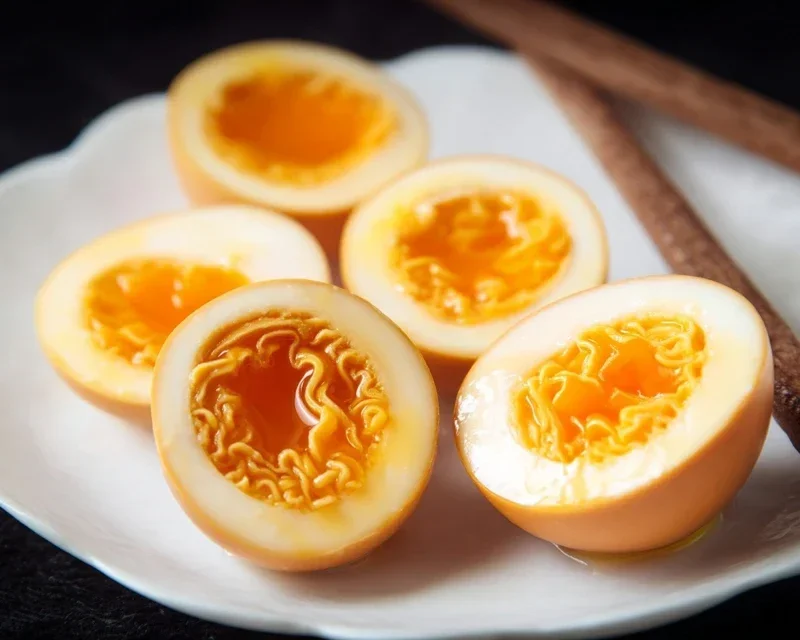
And there you have it! Crafting perfect ramen eggs, or Ajitama, is surprisingly simple and incredibly rewarding. This recipe offers a delicious and flavorful way to elevate your ramen bowls, transforming them from good to absolutely spectacular. The rich, custardy yolk and the savory, umami-packed marinade are truly a match made in culinary heaven. Don’t limit yourself to just ramen, though; these marinated eggs are fantastic additions to rice bowls, salads, or even enjoyed on their own as a satisfying snack. I truly encourage you to give this recipe a try! The process is straightforward, and the results are undeniably worth it. Experiment with the marinade ingredients to find your perfect flavor profile – a little extra gin extractger, a splash of non-alcoholic mirin, or even a touch of chili flakes can create wonderful variations.
Frequently Asked Questions:
Can I make Ajitama ahead of time?
Absolutely! Ajitama are best when they’ve had time to marinate, so making them a day or two in advance is ideal. They can be stored in the marinade in an airtight container in the refrigerator for up to 4-5 days.
What kind of eggs should I use?
While any large eggs will work, using high-quality, fresh eggs will yield the best results. The freshness impacts the texture of the yolk, aiming for that perfect jammy consistency.
My yolks aren’t jammy, they’re hard. What did I do wrong?
The most common reason for hard yolks is overcooking the eggs. For jammy yolks, aim to boil your eggs for exactly 6 to 7 minutes, depending on your stove and egg size, followed by an ice bath to stop the cooking process immediately. Experiment with your boiling time to find your perfect level of doneness.
Ramen Eggs (Ajitama)
Perfectly marinated soft-boiled eggs, a classic topping for ramen.
Ingredients
-
6 large eggs
-
½ cup soy sauce (light sodium)
-
¼ cup water
-
¼ cup non-alcoholic mirin
-
2 tablespoons granulated sugar
-
1 teaspoon rice vinegar (optional)
Instructions
-
Step 1
Gently place eggs in a pot and cover with cold water. Add a splash of rice vinegar if using. -
Step 2
Bring water to a rolling boil over medium-high heat. Once boiling, immediately reduce heat to low and simmer for exactly 7 minutes for soft-boiled yolks. -
Step 3
While eggs cook, prepare an ice bath by filling a bowl with ice and cold water. -
Step 4
After 7 minutes, carefully transfer the cooked eggs to the ice bath and let them chill for at least 10 minutes. This stops the cooking process. -
Step 5
In a small saucepan, combine soy sauce, water, non-alcoholic mirin, and granulated sugar. Heat gently, stirring until the sugar is dissolved. Let the marinade cool completely. -
Step 6
Once the eggs are cool, carefully peel them. Place the peeled eggs in a resealable bag or a shallow container. -
Step 7
Pour the cooled marinade over the eggs, ensuring they are fully submerged. Seal the bag or cover the container. -
Step 8
Refrigerate for at least 12 hours, or up to 3 days, flipping the eggs occasionally for even marination.
Important Information
Nutrition Facts (Per Serving)
It is important to consider this information as approximate and not to use it as definitive health advice.
Allergy Information
Please check ingredients for potential allergens and consult a health professional if in doubt.