Easy Vegan Bibimbap Recipe – Flavorful & Healthy
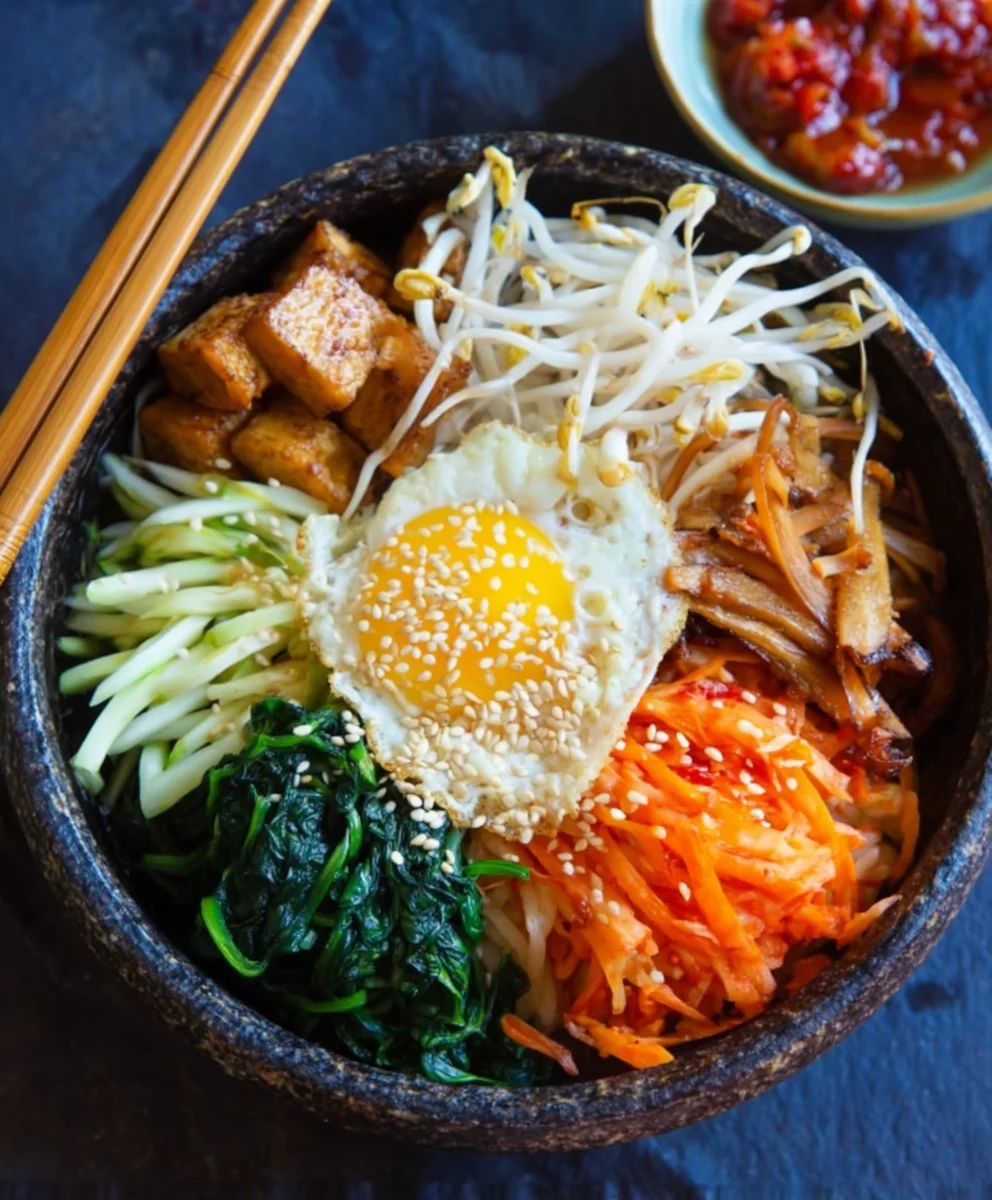
Vegan Bibimbap isn’t just a meal; it’s an edible masterpiece, a vibrant tapestry of textures and flavors that dances on your palate with every single bite. If you’ve ever found yourself captivated by the colorful bowls of Korean cuisine, chances are you’ve encountered this iconic dish. What makes this particular version so utterly delightful? It’s the harmonious symphony of fresh, crisp vegetables, hearty grains, and a luscious, savory sauce, all meticulously arranged over a bed of fluffy rice. We love Vegan Bibimbap because it’s incredibly adaptable, allowing you to showcase your favorite seasonal produce while delivering a deeply satisfying and nourishing experience. Forget any preconceived notions about vegan food being bland; this recipe is packed with umami, spice, and a delightful freshness that will have you coming back for more. Get ready to embark on a culinary adventure that’s as beautiful to look at as it is delicious to devour.
Ingredients:
- 1 cucumber
- 200 g spinach
- 100 g bean sprouts
- 1 large carrot
- 200 g firm tofu
- 100 g mushrooms (enoki mushrooms recommended, but shiitake or oyster mushrooms work well too)
- Salt to taste
- Sesame oil for cooking and finishing
- 2 tablespoons gochujang (Korean chili paste)
- 1 tablespoon rice vinegar
- 1 tablespoon agave nectar or maple syrup (for a vegan sweetener)
- 1 tablespoon soy sauce
- 2 cloves garlic, minced
- 2 teaspoons sesame oil (for the tofu marinade)
- Cooked rice for serving (Jasmine or short-grain rice are excellent choices)
Preparing the Vegetable Toppings
Cucumber Preparation:
We’ll start with the refreshing cucumber. First, wash your cucumber thoroughly. For this dish, I like to julienne it, meaning I cut it into thin, matchstick-sized strips. You can do this by cutting the cucumber in half lengthwise, then slicing each half thinly, and then stacking those slices to cut them into thin strips. Aim for consistency in size so they cook evenly if you choose to lightly sauté them, or to look uniform in your bowl. You can choose to lightly season the cucumber with a pinch of salt and let it sit for about 10 minutes to draw out some moisture, then gently squeeze out any excess water. This step is optional but can prevent a watery final dish.
Spinach Preparation:
Next, we’ll tackle the spinach. Wash the spinach very well to ensure there’s no grit. You can either blanch it briefly in boiling water for about 30-60 seconds until it wilts, or you can sauté it. For blanching, have a bowl of ice water ready to shock the spinach immediately after it wilts to preserve its vibrant green color and stop the cooking process. Squeeze out as much excess water as possible from the blanched spinach. If you opt to sauté, heat a teaspoon of sesame oil in a pan over medium heat, add the spinach, and stir-fry until just wilted. Season lightly with salt and a tiny pinch of minced garlic.
Bean Sprout Preparation:
Bean sprouts add a lovely crunch. Rinse the bean sprouts under cold water and drain them thoroughly. Similar to the spinach, you can blanch them for about 1-2 minutes until they are tender-crisp. Again, shock them in ice water and drain well. Alternatively, you can sauté them with a little sesame oil for a minute or two. Season with a pinch of salt. The key is to keep them slightly crunchy.
Carrot Preparation:
For the carrot, peel it and then julienne it into thin matchsticks, just like the cucumber. You can either lightly sauté the julienned carrots in a little sesame oil until they are tender-crisp, or you can steam them. Season with a pinch of salt.
Mushroom Preparation:
If you’re using enoki mushrooms, gently separate the clumps and trim off the woody end. If using other mushrooms like shiitake, slice them thinly. Sauté the mushrooms in a little sesame oil over medium-high heat until they are tender and have released their moisture. Season with a pinch of salt and a tiny amount of minced garlic.
Marinating and Cooking the Tofu
Tofu Preparation and Marinade:
Press the firm tofu to remove as much excess water as possible. You can do this by wrapping the tofu in paper towels or a clean kitchen towel and placing something heavy on top for at least 15-30 minutes. Once pressed, cut the tofu into small, bite-sized cubes or thin strips. In a small bowl, whisk together the minced garlic, 2 teaspoons of sesame oil, and 1 tablespoon of soy sauce. Add the tofu to this marinade and let it sit for at least 15 minutes, tossing gently occasionally to ensure all sides are coated.
Cooking the Tofu:
Heat a tablespoon of sesame oil in a non-stick skillet over medium-high heat. Add the marinated tofu in a single layer, ensuring not to overcrowd the pan. Cook for 3-5 minutes per side, or until golden brown and slightly crispy. You want a nice texture here.
Making the Bibimbap Sauce
Bibimbap Sauce Creation:
This sauce is the heart of the Vegan Bibimbap. In a small bowl, combine the 2 tablespoons of gochujang, 1 tablespoon of rice vinegar, 1 tablespoon of agave nectar or maple syrup, and 1 tablespoon of soy sauce. Stir vigorously until all the ingredients are well incorporated and the sauce is smooth. Taste and adjust sweetness or tangin extractess to your preference. If you like it spicier, you can add a pinch of red pepper flakes.
Assembling Your Vegan Bibimbap
Assembly and Serving:
This is where it all comes together. Have your cooked rice ready and warm. Divide the cooked rice into individual serving bowls. Artfully arrange each prepared vegetable topping and the cooked tofu over the rice. Aim for a visually appealing arrangement, placing each component in its own section. Once all your toppings are in place, add a dollop of the prepared bibimbap sauce in the center of each bowl. For an extra touch of flavor and aroma, drizzle a little extra sesame oil over the top. To eat, mix everything together thoroughly in the bowl, ensuring the sauce coats all the ingredients. Enjoy the delightful mix of textures and flavors!
Conclusion:
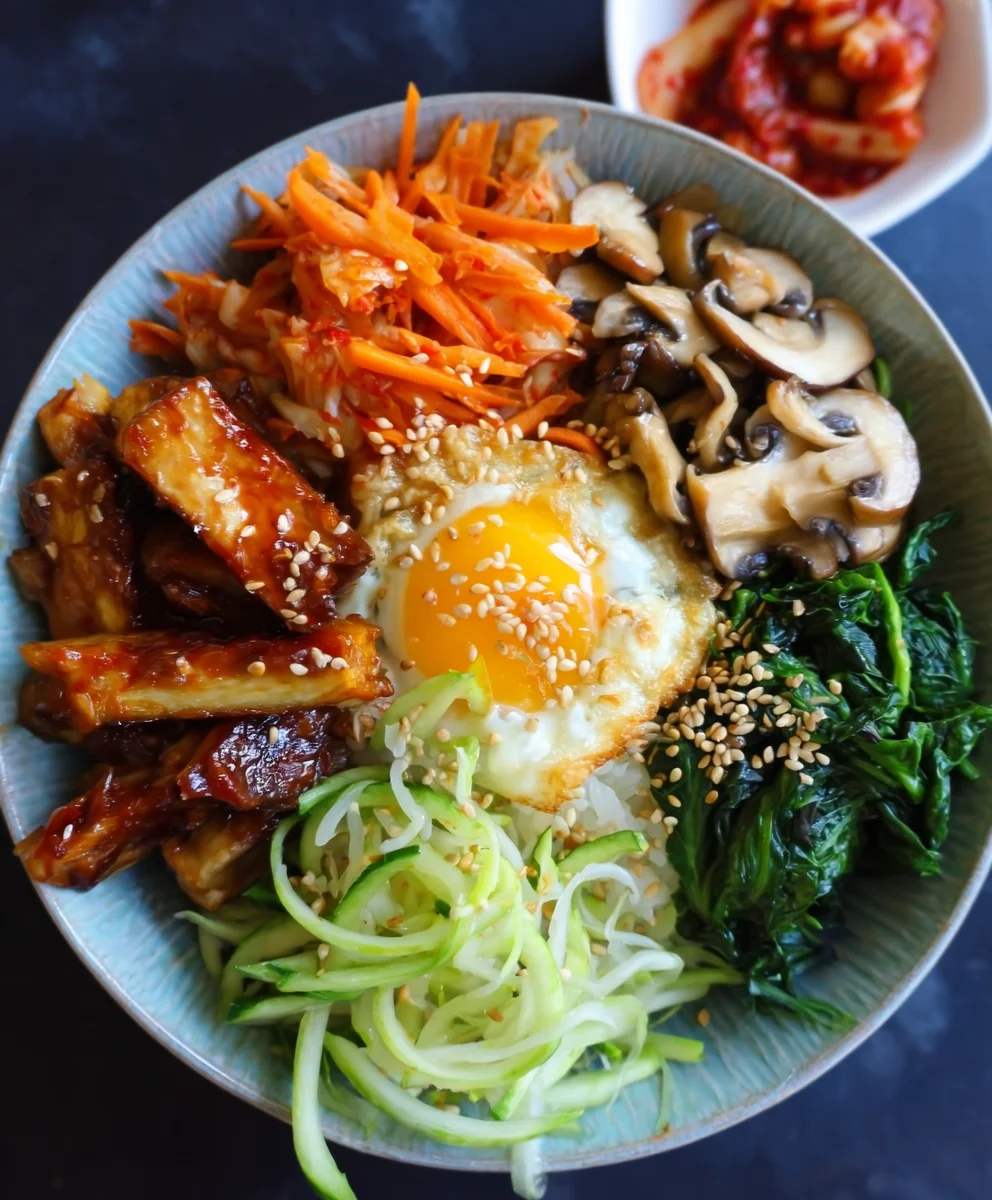
And there you have it – your very own delicious and satisfying Vegan Bibimbap! We hope you enjoyed following along with this recipe. This vibrant dish is not only a feast for the eyes but also a powerhouse of nutrients, packed with fresh vegetables and plant-based protein. The beauty of Vegan Bibimbap lies in its versatility; feel free to adapt it to your personal taste and what you have on hand. It’s perfect for a weeknight meal, a healthy lunch, or even for entertaining guests. Don’t be afraid to experiment with different vegetable combinations or add your favorite tofu or tempeh preparation.
For serving suggestions, present each component separately in colorful bowls and let everyone assemble their own masterpiece. A drizzle of your favorite gochujang sauce or a sprinkle of toasted sesame seeds adds the perfect finishing touch. Enjoy this wholesome and customizable bowl of goodness!
Frequently Asked Questions:
What kind of rice is best for Vegan Bibimbap?
While short-grain white rice is traditional and offers a pleasing texture, you can also use brown rice for added fiber and a nuttier flavor. Quinoa is another excellent gluten-free alternative.
Can I make Vegan Bibimbap ahead of time?
Yes, you can prepare most of the components in advance. Cook the rice, blanch or sauté the vegetables, and prepare your protein. Store them separately in airtight containers in the refrigerator. Reheat gently before assembling and serving for the best texture and flavor.
What if I don’t have gochujang?
If you can’t find gochujang, you can create a delicious sauce by mixing sriracha or another chili paste with a bit of soy sauce, sesame oil, and a touch of maple syrup for sweetness. It won’t be exactly the same, but it will still be wonderfully flavorful!
Easy Vegan Bibimbap Recipe – Flavorful & Healthy
A vibrant and healthy vegan take on the classic Korean rice dish, bibimbap, packed with colorful vegetables and flavorful marinated tofu.
Ingredients
-
1 cucumber, julienned
-
200 g spinach, blanched or sautéed
-
100 g bean sprouts, blanched or sautéed
-
1 large carrot, julienned
-
200 g firm tofu, pressed and cubed
-
100 g mushrooms (enoki mushrooms recommended), sautéed
-
Salt to taste
-
Sesame oil for cooking and finishing
-
2 tablespoons gochujang
-
1 tablespoon rice vinegar
-
1 tablespoon agave nectar or maple syrup
-
1 tablespoon soy sauce
-
2 cloves garlic, minced
-
2 teaspoons sesame oil (for tofu marinade)
-
Cooked rice for serving
Instructions
-
Step 1
Prepare all vegetable toppings by washing, cutting (julienning for cucumber and carrot), and then lightly cooking (blanching or sautéing) each vegetable until tender-crisp. Season lightly with salt and a touch of minced garlic for spinach and mushrooms. -
Step 2
Press the firm tofu to remove excess water. Cut into bite-sized pieces and marinate with minced garlic, 2 teaspoons of sesame oil, and 1 tablespoon of soy sauce for at least 15 minutes. -
Step 3
Cook the marinated tofu in a non-stick skillet with 1 tablespoon of sesame oil over medium-high heat until golden brown and slightly crispy on all sides. -
Step 4
In a small bowl, whisk together 2 tablespoons of gochujang, 1 tablespoon of rice vinegar, 1 tablespoon of agave nectar or maple syrup, and 1 tablespoon of soy sauce to create the bibimbap sauce. Adjust seasoning to taste. -
Step 5
Assemble the bibimbap by placing a generous portion of cooked rice in a bowl. Artfully arrange the prepared vegetable toppings and cooked tofu over the rice. -
Step 6
Add a dollop of the bibimbap sauce in the center of the bowl and drizzle with extra sesame oil. Mix everything together thoroughly before serving and enjoying.
Important Information
Nutrition Facts (Per Serving)
It is important to consider this information as approximate and not to use it as definitive health advice.
Allergy Information
Please check ingredients for potential allergens and consult a health professional if in doubt.